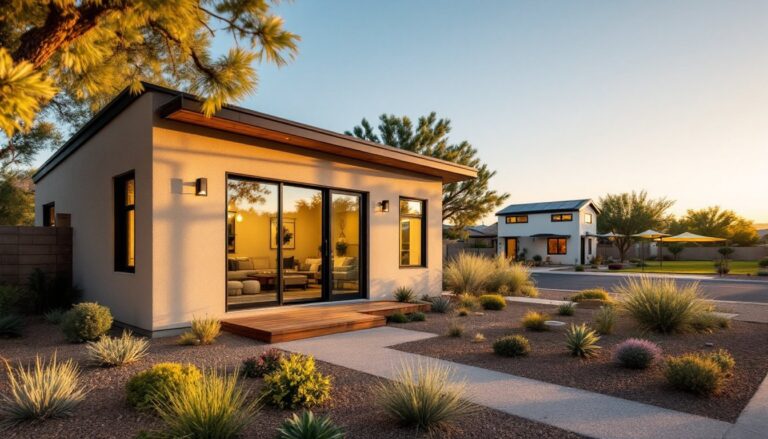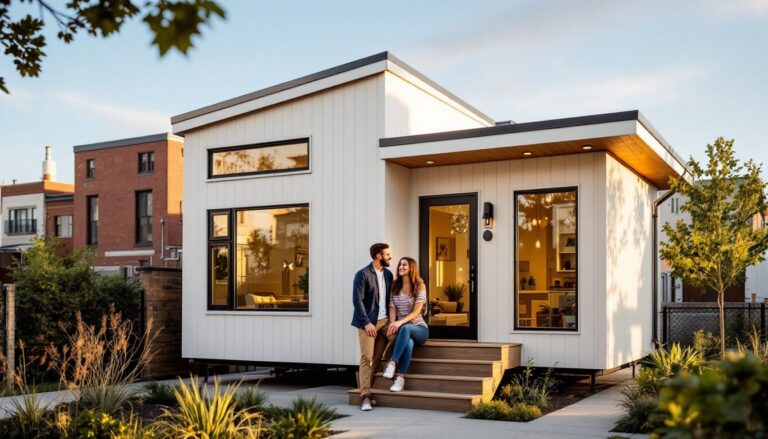
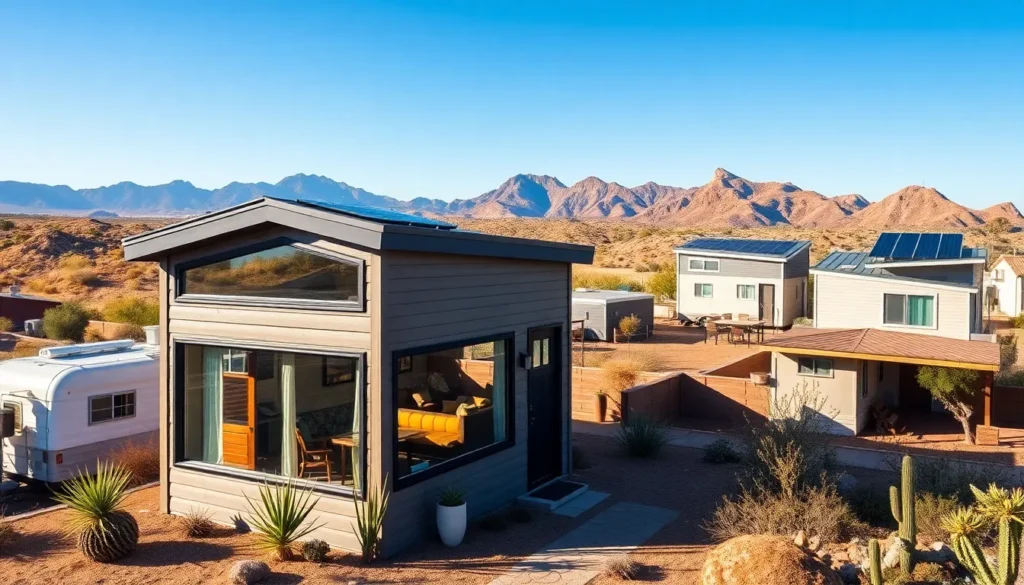
Welcome to the sunny side of sustainable living, where size doesn’t truly matter. Arizona is home to a vibrant tiny home community that’s changing the game of living large, without the large price tag. Imagine waking up in a cozy nook that’s expertly designed, eco-friendly, and often situated in breathtaking landscapes. It’s like living in a Pinterest board come to life. If you’re wondering whether this minimalist lifestyle is right for you, buckle up as we explore the rise of tiny homes in Arizona. Whether you’re seeking freedom from mortgage chains or just want a smaller footprint, there’s a tiny house waiting just for you.
The Rise Of Tiny Homes In Arizona
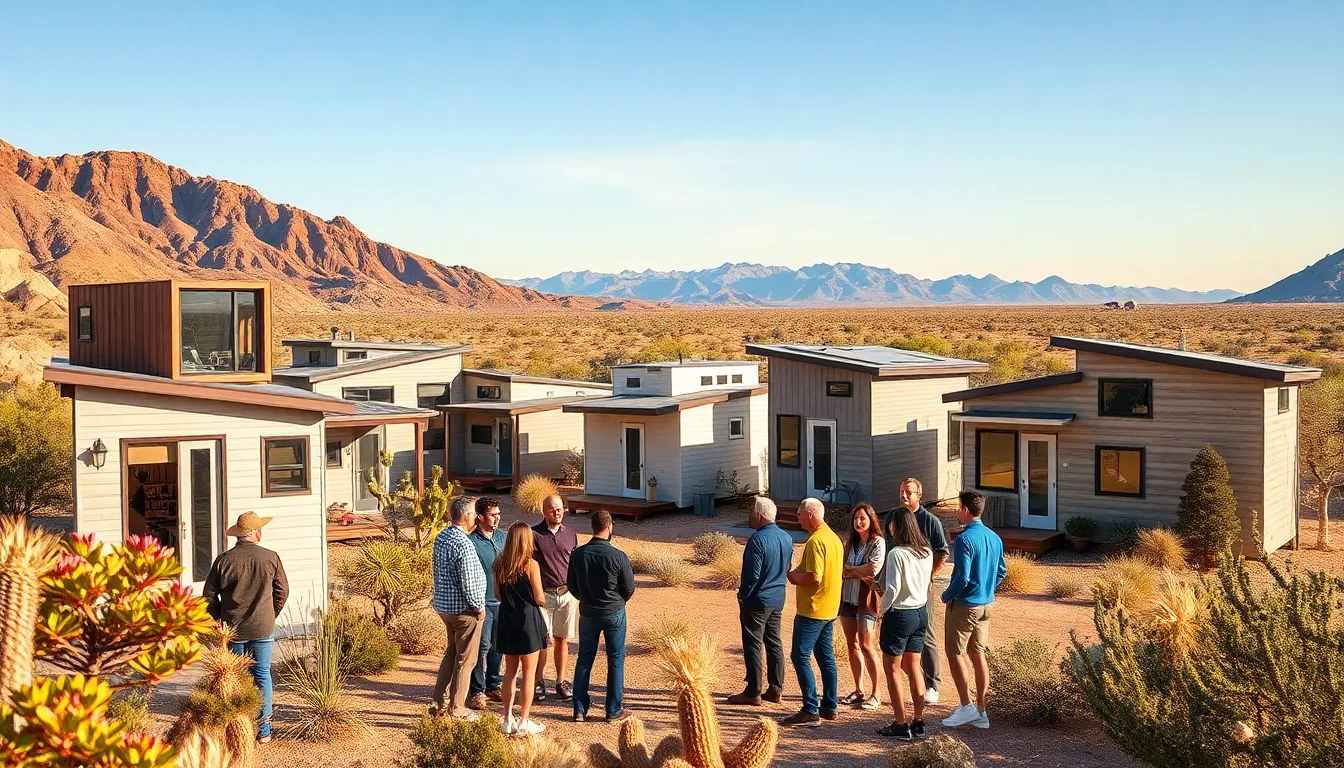
In recent years, tiny homes have gained prominence across the United States, and Arizona stands at the forefront of this movement. The allure of downsizing isn’t merely a trend: it’s a lifestyle choice fueled by a desire for financial freedom, minimalism, and environmental consciousness. Increasingly, individuals and families are ditching their oversized houses in favor of cleverly designed dwellings that range from 200 to 400 square feet.
Several factors contribute to this rise, particularly in Arizona. The appeal of affordable housing amid escalating costs can’t be ignored, and for many, tiny homes offer a solution to homeownership dreams. Climate also plays a role: Arizona’s warm weather means tiny houses can be enjoyed year-round, either as primary residences or seasonal retreats. Coupled with a growing acceptance of alternative living spaces, Arizona’s unique real estate landscape is ripe for tiny home communities to flourish.
As more people are drawn to this lifestyle, it’s clear that tiny homes are not simply a fad. They represent a shift in thinking about how we use space, and where we place our priorities as a society.
Benefits Of Living In A Tiny Home
Living in a tiny home comes with a plethora of advantages that go beyond just downsizing. First, let’s talk about the financial benefits. Tiny homes can significantly reduce costs tied to mortgages, property taxes, and utility bills. Many who have transitioned into tiny homes report saving noticeably each month, which frees up cash for hobbies, travel, or that avocado toast habit.
But savings aren’t the only perk. Tiny homes promote a simplified lifestyle. The need to declutter can lead individuals to reflect on what truly matters, prioritizing experiences over possessions. That zen-like feeling of not being weighed down by excess belongings is liberating. Also, many tiny homes are designed with sustainability in mind. Using eco-friendly materials and energy-efficient appliances, residents can live in harmony with the environment.
In essence, opting for tiny living can lead to a more fulfilling and purposeful life, where space is utilized wisely and happiness is maximized.
Challenges And Considerations
While tiny homes come with an enticing array of advantages, they also present certain challenges that potential homeowners should consider. First off, zoning laws can be a headache. Not every plot of land accommodates tiny homes, and navigating local regulations can be tedious. It’s essential for buyers to research before falling in love with that charming little house on wheels.
Also, space constraints might not suit everyone. Living in a tight space requires a major adjustment, especially for those accustomed to having plentiful square footage. Considerations around storage, personal space, and even shared living can impact daily life.
Finally, the resale value of tiny homes can be unpredictable. While they’re rising in popularity, certain markets may be more challenging to navigate for future buyers. It’s crucial to factor in these challenges before embarking on the tiny living adventure.
Popular Tiny Home Communities In Arizona
Arizona is not just a state: it’s a hub for innovative tiny home communities. From the stunning landscapes of Sedona to the vibrant neighborhoods of Phoenix, tiny homes are popping up everywhere.
Design And Customization Options
One of the most exciting things in these communities is the stunning designs and customization options available. Residents can choose everything from rustic cabin aesthetics to sleek modern looks. Some tiny homes come equipped with lofted beds, foldable furniture, and expansive windows that maximize natural light, creating a sense of spaciousness even though the smaller footprint.
Sustainable Living Practices
Communities often embrace sustainability, incorporating solar panels, rainwater collection systems, and composting toilets as standard features. Residents frequently share resources like gardens or workshops, fostering a sense of community and a commitment to environmentally-friendly practices.
Financing A Tiny Home Purchase
While tiny homes are generally more affordable than traditional houses, financing them can still be a challenge. Many banks and financial institutions don’t recognize tiny homes as traditional real estate, complicating the loan process. But, there are options available.
Some potential homeowners explore personal loans, which provide the flexibility needed for purchasing a tiny home. Others choose to pay in cash, if they’ve saved up enough, but that’s not always feasible. Getting creative with crowdfunding or seeking out tiny home lenders specifically designed for financing these unique homes can also be viable solutions.
Community-based financing models are emerging, giving more options to those looking to adopt this simpler lifestyle.
Future Trends In Arizona’s Tiny Home Market
As Arizona continues to embrace tiny living, several future trends are shaping the market. There’s a growing emphasis on eco-friendly design as more individuals seek sustainable living options. Innovations in technology, such as smart home features, are expected to become more prevalent, marrying functionality with cutting-edge design.
Also, we might see an increase in tiny home resorts, where owners can vacation or even rent out their homes in shared spaces. Tiny home villages may also start popping up with community amenities similar to traditional neighborhoods, including parks, cafes, and gathering spaces.