Table of Contents
ToggleImagine living in a cozy space that’s not just cute but also eco-friendly. Green tiny homes are the superheroes of sustainable living, proving that good things really do come in small packages. These pint-sized dwellings offer a perfect blend of comfort and environmental consciousness, making them the ultimate choice for those looking to downsize without sacrificing style.
Overview of Green Tiny Homes
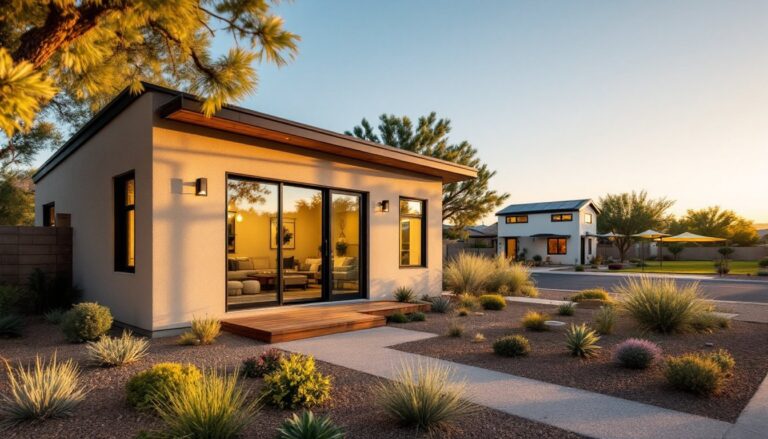
Green tiny homes represent a growing trend in sustainable living. These homes prioritize environmental health while offering efficient use of space. Individuals who choose green tiny homes typically enjoy lower utility costs thanks to energy-efficient designs and sustainable materials.
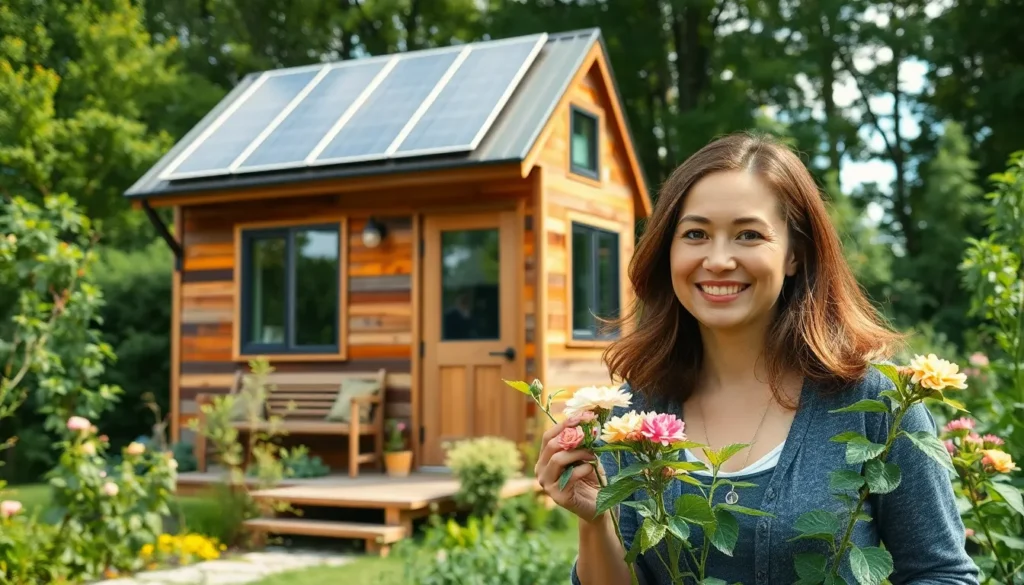
Solar panels often power these dwellings, utilizing renewable energy to reduce reliance on traditional power sources. Water conservation systems, such as rainwater harvesting, facilitate efficient resource management. Built with eco-friendly materials, green tiny homes minimize carbon footprints while creating stylish living environments.
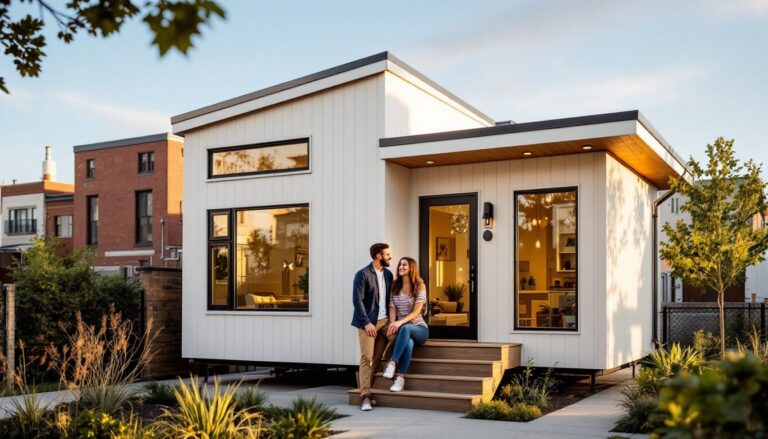
Compact layouts maximize functionality without sacrificing comfort. Multi-functional furniture and smart design solutions optimize small spaces, ensuring residents maintain a high quality of life. These homes cater to diverse lifestyles, appealing to minimalists, environmental advocates, and urban dwellers seeking affordable housing options.
Community interest in tiny homes continues to grow, with many municipalities adopting zoning changes to accommodate these structures. Builders focus on innovative designs that balance aesthetics with sustainability. Their commitment to green building practices fosters a sense of responsibility toward the planet.
The idea of green tiny homes encompasses not only the physical structure but also the lifestyle choice behind it. Residents commonly embrace a simple, clutter-free way of living, reflecting personal values aligned with environmental consciousness. Green tiny homes support a movement towards responsible consumption and living with less.
Through combining style, efficiency, and sustainability, green tiny homes present an attractive alternative to conventional housing. They empower individuals to make conscientious choices about their living spaces and their impact on the environment.
Benefits of Green Tiny Homes
Green tiny homes offer numerous advantages, emphasizing sustainability and cost savings. These homes cater to environmentally conscious living and economical choices.
Sustainability and Environmental Impact
Sustainability embodies the essence of green tiny homes. Constructed with eco-friendly materials, they minimize environmental degradation. Many designs feature energy-efficient systems that lower energy consumption. Renewable energy sources, such as solar panels, play a significant role. Rainwater collection systems aid in water conservation. Reduced carbon footprints result from the compact nature of these homes, leading to a smaller environmental impact. Small living spaces encourage minimalism and resourcefulness. Homeowners often find themselves embracing a lifestyle centered around sustainability, which contributes to overall ecological health.
Cost-Effectiveness
Cost-effectiveness defines another key benefit of green tiny homes. Lower utility bills become a common advantage, thanks to efficient energy and water systems. The initial investment often returns significant savings over time. Many tiny homes have lower maintenance costs, as they utilize fewer resources. Property taxes can decrease due to the smaller footprint. Affordability attracts a broad range of individuals, especially those seeking a minimalist lifestyle. Housing options in urban areas often present financial challenges, but green tiny homes provide a viable solution. Overall, these homes foster smart financial decisions, moving away from expensive conventional housing models.
Design Features of Green Tiny Homes
Green tiny homes incorporate innovative design features that enhance both sustainability and comfort. These compact dwellings prioritize energy efficiency and the use of recycled materials, two key aspects for environmentally conscious living.
Energy Efficiency
Energy efficiency plays a crucial role in the design of green tiny homes. Many of these homes utilize high-performance insulation, allowing them to maintain comfortable temperatures year-round. They often include energy-efficient windows that minimize heat loss and maximize natural light. LED lighting serves as a standard to reduce energy consumption further. Solar panels frequently power these homes, supplying renewable energy that offsets utility costs. Additionally, many incorporate smart home technology to monitor and optimize energy usage. Effective energy management not only reduces the carbon footprint but also contributes to lower monthly expenses.
Use of Recycled Materials
The use of recycled materials stands out in green tiny home construction. Builders often repurpose materials such as reclaimed wood and recycled metal, reducing waste and environmental impact. These sustainable choices lend a unique character to each home, offering aesthetic appeal alongside ecological benefits. Features like recycled glass countertops and flooring enhance durability while minimizing resource depletion. Many structures utilize prefabricated components crafted from sustainable resources, streamlining the building process. Integrating recycled materials contributes to a lifecycle of sustainability, reinforcing the green ethos of these tiny homes.
Popular Green Tiny Home Models
Green tiny homes come in various models, showcasing innovative designs and sustainable features. These homes often prioritize efficiency and environmental awareness, making them standout choices in the tiny home movement.
Notable Brands and Designs
Tumbleweed Tiny House Company offers a range of energy-efficient homes that blend craftsmanship with sustainability. Their models, like the Cypress and Fisherman, feature eco-friendly materials and smart layouts. Another brand, ESCAPE Homes, focuses on stylish, compact designs, including the Vista and the Traveler. Their emphasis on sustainability includes high-performance insulation and large windows that maximize natural light. Finally, TruMH provides customizable tiny homes that cater to a range of preferences, ensuring each home aligns with its owner’s sustainability goals and aesthetic preferences.
Customizable Options
Customizing green tiny homes allows owners to tailor their spaces to meet specific needs. Builders often offer various floor plans, ensuring layouts maximize functionality. Owners can select energy-efficient appliances, sustainable materials, and renewable energy sources like solar panels. Options for interior finishes, such as reclaimed wood or recycled glass, enhance both aesthetics and sustainability. Some manufacturers even provide modular options, allowing for future expansion or adaptation as needs change. Considerations like outdoor space also play a crucial role, enabling people to create vibrant, eco-friendly environments around their homes.
Green tiny homes represent a significant shift towards sustainable living that resonates with a wide range of individuals. They offer a unique combination of eco-friendliness and modern design, appealing to those who prioritize both comfort and environmental responsibility.
As urban areas face housing challenges, these compact dwellings provide affordable solutions without compromising on style or functionality. The integration of renewable energy sources and water conservation systems underscores a commitment to reducing one’s ecological footprint.
With growing community interest and evolving zoning laws, the future of green tiny homes looks promising. They empower individuals to embrace a minimalist lifestyle while making informed choices about their living spaces and environmental impact.