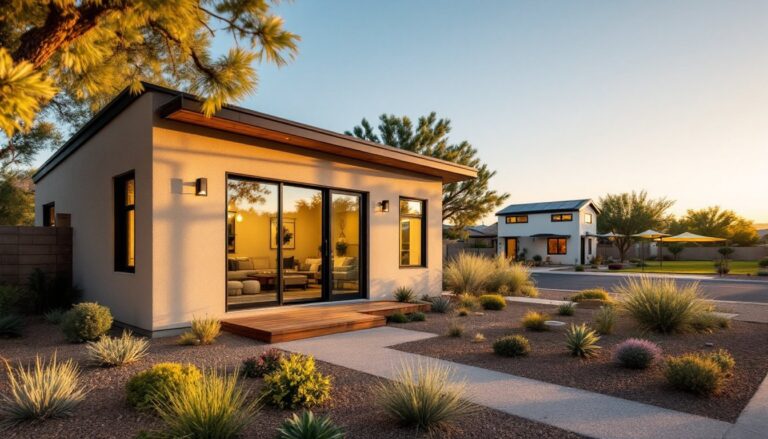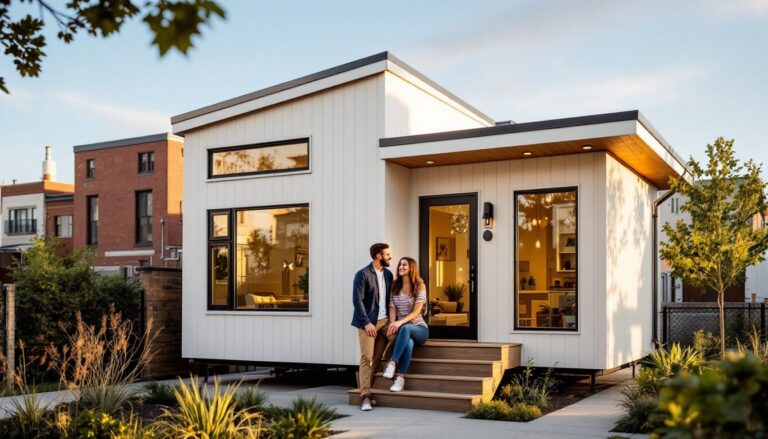
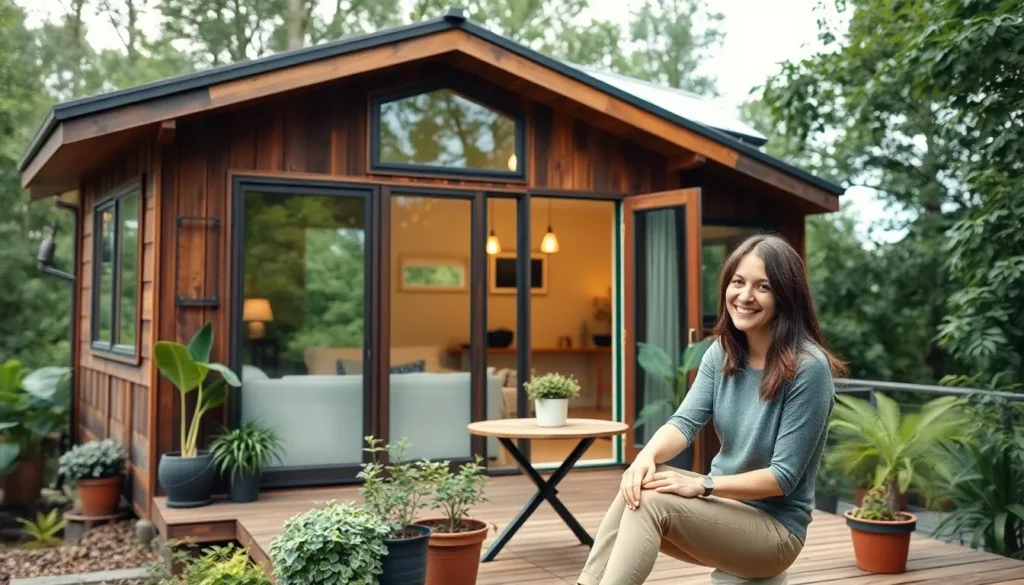
In a world where bigger often seems better, tiny houses are flipping the script and proving that less truly can be more. These pint-sized wonders aren’t just a trend; they’re a lifestyle choice that’s capturing hearts and imaginations. Who wouldn’t want to downsize their space and upsize their freedom? With a tiny house, you can embrace minimalism while still enjoying all the comforts of home.
Tiny House Ideas Overview
Tiny houses offer numerous innovative design possibilities, making them appealing for various lifestyles. Emphasizing efficiency, each tiny house design maximizes space, ensuring every square foot serves a purpose. Various styles, including modern, rustic, and minimalist, provide options that cater to individual preferences.
Creative storage solutions stand out among tiny house designs. Incorporating multi-functional furniture creates additional room and enhances usability. For example, a sofa that converts into a bed saves space while maintaining comfort.
Energy efficiency plays a significant role in tiny house concepts. Many designs feature solar panels, energy-efficient appliances, and superior insulation, reducing utility costs and environmental impact. Incorporating natural light through large windows and skylights also optimizes energy use.
Flexibility is a key benefit of tiny homes. They can adapt to different locations, whether in urban settings, rural areas, or off-grid environments. This ability to relocate provides homeowners various options, enhancing the lifestyle experience.
Outdoor living spaces enhance the appeal of tiny houses. Many designs include decks, porches, or patios that extend the living area, allowing for relaxation and enjoyment of nature. A well-designed outdoor space enhances the overall functionality of a tiny home.
Sustainability trends inform many tiny house ideas. Eco-friendly materials and construction practices contribute to long-lasting, low-impact homes. Homeowners increasingly prioritize sustainable living, reflecting a growing trend toward environmental consciousness in housing choices.
Creative Tiny House Designs
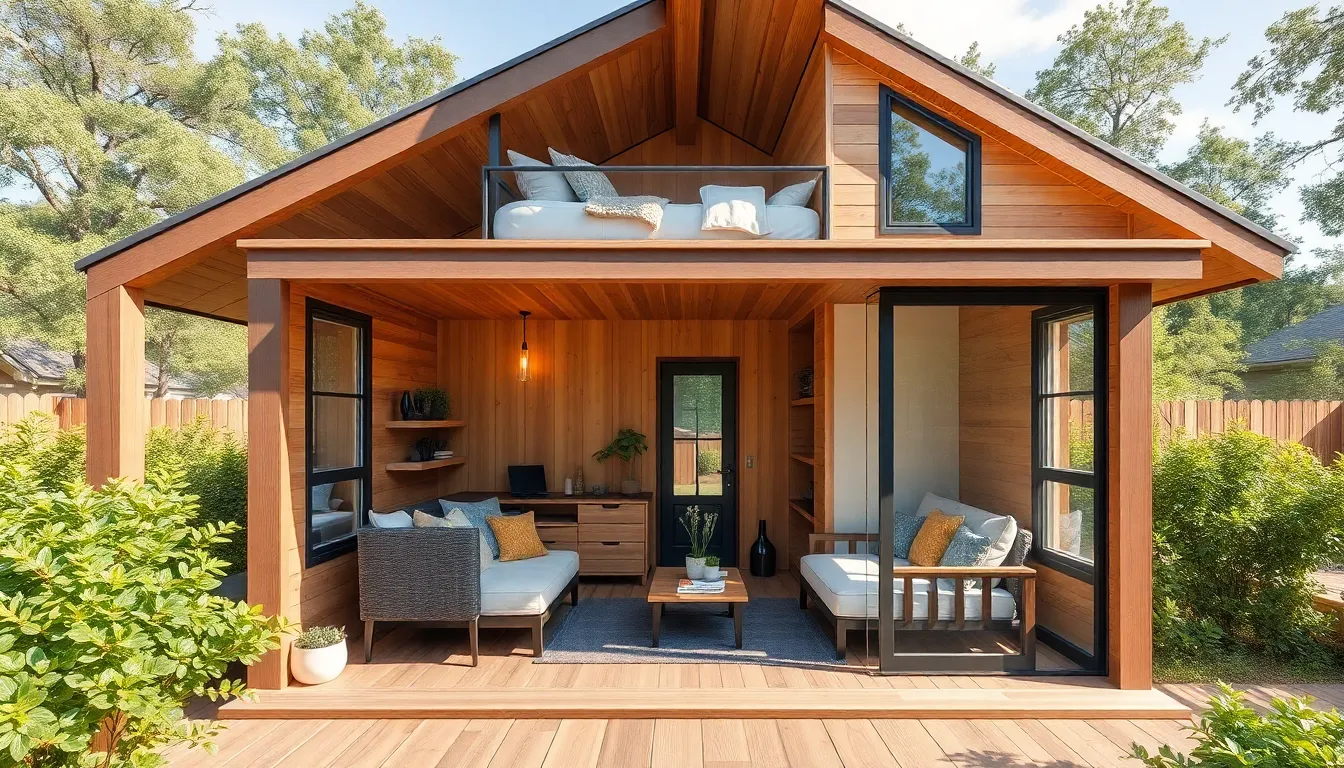
Creative tiny house designs maximize space while providing comfort. Innovative ideas transform small living areas into functional homes.
Innovative Layouts
Layouts emphasize open spaces to create a sense of roominess. Designers often include lofted sleeping areas for bedrooms while keeping the main floor clear. Adding movable partitions allows for flexible floor plans. Incorporating corner windows enhances natural light and offers scenic views. Efficient use of vertical space through shelving provides additional storage. Many tiny house owners integrate outdoor patios to extend livable areas, enhancing usability.
Multi-Functional Spaces
Multi-functional spaces cater to various needs, making tiny homes incredibly versatile. Built-in furniture serves dual purposes, such as a bed converting into a sofa. Dining tables often expand for gatherings, then retract for everyday use. Incorporation of foldable furniture helps in maximizing floor space. Storage solutions frequently hide within stairs, providing easy organization. Many designs also include workspace areas, integrating home office functionality with living spaces.
Tiny House Decor Inspiration
Tiny house decor blends creativity and functionality, enhancing the overall living experience. Innovative choices reflect personal style while maximizing space and comfort.
Minimalist Aesthetics
Minimalist aesthetics thrive in tiny homes, promoting peace and simplicity. Neutral colors, clean lines, and clutter-free spaces create a serene environment. Natural light plays a crucial role, with ample windows brightening interiors. Furniture selection prioritizes essential pieces like multifunctional sofas and multipurpose tables. Using wall-mounted shelves increases storage without consuming valuable floor space. Thoughtful designs utilize statement decor, such as a bold piece of art or an eye-catching plant, to inject personality into living areas. Emphasis on open layouts fosters a flow that encourages relaxation and functionality.
Nature-Inspired Details
Nature-inspired details reinforce a calming atmosphere in tiny homes. Incorporating earthy tones mirrors the outdoors, while organic materials like wood and stone create warmth. Indoor plants bring life and improve air quality. Effective use of large windows connects interior spaces to nature, enhancing views and light. Textures such as woven fabrics and raw wood finishes add dimension. Décor items that celebrate nature, like floral artwork or landscape photography, instill a sense of tranquility. Incorporating natural elements fosters an eco-friendly approach, aligning with the sustainability goals often embraced by tiny house enthusiasts.
Sustainable Tiny House Solutions
Tiny houses embrace sustainability through various innovative approaches. Homeowners can achieve eco-friendly designs that minimize their environmental footprint.
Eco-Friendly Materials
Local sourcing minimizes transport emissions and supports nearby economies. Reclaimed wood often finds use in flooring and furniture, reducing waste while adding charm. Bamboo stands out for its rapid growth and strength, making it a sustainable choice for construction. Recycled steel offers durability and energy efficiency in roof and structural elements. Many homeowners opt for low-VOC paints and finishes to improve indoor air quality. Using natural fibers like hemp or cotton for insulation promotes energy conservation.
Off-Grid Living Options
Solar panels facilitate energy independence, generating electricity from sunlight. Rainwater harvesting systems allow homeowners to collect and store water for various uses. Composting toilets turn waste into nutrient-rich compost, reducing water consumption significantly. Wind turbines can supplement energy needs, making off-grid living more feasible. Many tiny houses include efficient wood stoves for heating, promoting renewable energy use. Some choose to integrate greenhouses for home-grown food, enhancing self-sufficiency while reducing reliance on outside resources.
Tips for Tiny House Living
Living in a tiny house promotes a minimalist lifestyle while maximizing efficiency. Implementing effective strategies enhances the tiny house experience.
Space Optimization Techniques
Utilizing vertical space creates additional storage opportunities. Incorporating wall-mounted shelves and hooks efficiently organizes essentials. Choosing furniture with built-in storage minimizes clutter, while foldable tables and chairs offer versatility for entertaining. Installing sliding doors can save space compared to traditional swing doors. Opting for a lofted bed maximizes floor area, allowing for comfortable living beneath. Using multifunctional rooms allows spaces to adapt to various needs, enhancing the overall usability of the home. Embracing open floor plans enhances movement and light airiness, fostering a comfortable atmosphere.
Essential Tiny House Tools
Equipping a tiny house with essential tools ensures functionality and ease of living. Compact kitchen gadgets like a multi-cooker save space while providing cooking versatility. Investing in quality hand tools enables efficient repairs and maintenance. A portable vacuum cleaner helps maintain cleanliness in limited areas. Using sturdy storage bins keeps belongings organized, especially in tight spaces. Efficient lighting solutions, such as LED strips, enhance visibility while conserving energy. Small outdoor tools support gardening and landscaping efforts, creating enjoyable outdoor experiences. Lastly, a simple toolkit equips homeowners to tackle minor repairs promptly, promoting self-sufficiency and independence.
Conclusion
Tiny houses represent a transformative approach to living that prioritizes simplicity and sustainability. By embracing innovative designs and efficient use of space, homeowners can enjoy a comfortable lifestyle without the burden of excess. The blend of functionality and aesthetics in tiny house decor not only enhances the living experience but also reflects personal values. As the trend toward eco-friendly practices continues to grow, tiny houses stand out as a viable solution for those seeking a more sustainable way of life. With endless possibilities for customization and creativity, tiny homes are more than just a trend; they embody a lifestyle that resonates with freedom and purpose.