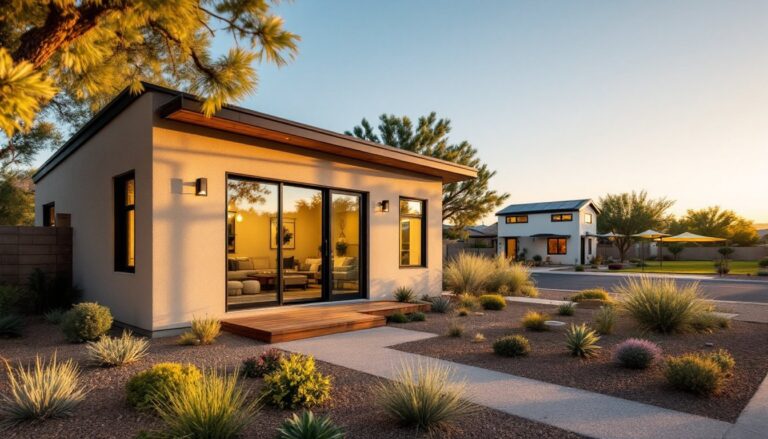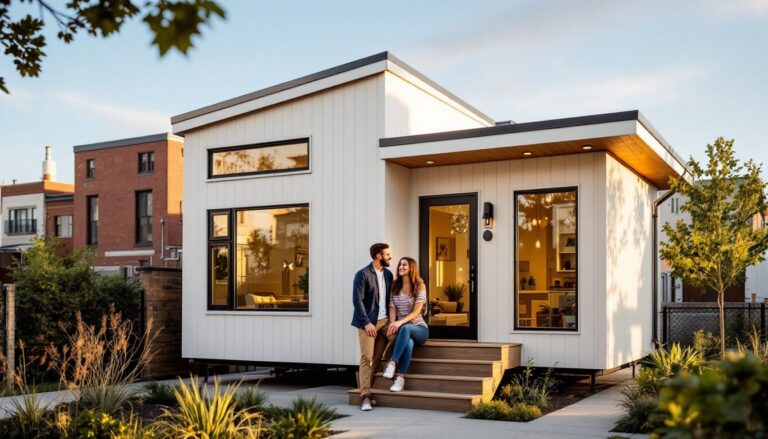
Imagine rolling into the sunset in a cozy, converted bus tiny home that’s as unique as your taste in socks. These mobile abodes are more than just a quirky trend; they’re a lifestyle choice that combines adventure with comfort. With a dash of creativity and a sprinkle of elbow grease, people are transforming old buses into stunning living spaces that make traditional homes look like yesterday’s news.
Gone are the days of cookie-cutter houses. Converted bus tiny homes offer the freedom to travel while still enjoying the comforts of home. Whether it’s a weekend getaway or a full-time adventure, these tiny homes on wheels are the ultimate blend of functionality and style. So buckle up and get ready to explore the fascinating world of bus conversions, where imagination knows no bounds and every journey is a new story waiting to be told.
Overview of Converted Bus Tiny Homes
Converted bus tiny homes represent a unique living arrangement that blends mobility with comfort. Transformations of school buses, transit buses, and camper buses into residences appeal to those seeking unconventional lifestyles. Creative layouts and designs maximize limited spaces, offering kitchens, bathrooms, and cozy sleeping areas.
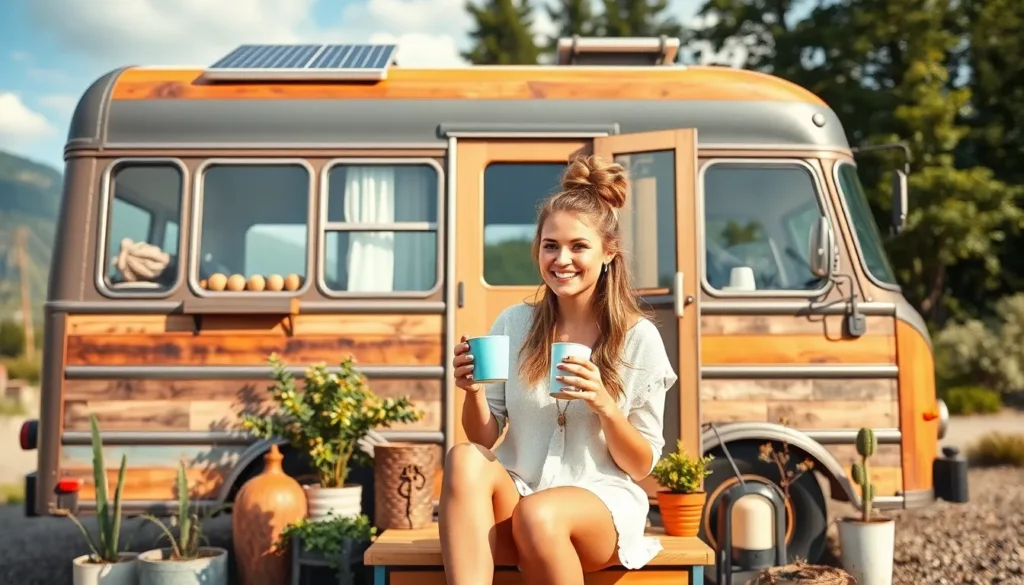
Many people utilize eco-friendly materials during renovations. Sustainability plays a significant role in bus conversions, with many converting simple vehicles into energy-efficient dwellings. Solar panels, composting toilets, and rainwater collection systems are common additions.
Some converted buses boast stunning interiors. Use of reclaimed wood, innovative storage solutions, and large windows often enhances the aesthetic appeal. Customization options allow owners to express personal styles, tailoring each space to individual preferences.
Various individuals choose bus tiny homes for different reasons. Full-time nomads enjoy the freedom of traveling without sacrificing comfort. Weekend adventurers embrace the opportunity to explore nature while having a mobile dwelling.
Costs associated with conversion vary significantly. A DIY approach can reduce expenses, whereas professional renovations might increase them. Budgeting for essential upgrades, such as plumbing and insulation, remains crucial in these projects.
Challenges accompany the bus tiny home lifestyle. Space constraints require efficient organization and minimalism. Legal restrictions, zoning laws, and parking regulations can affect the ease of living in converted buses.
Ultimately, converted bus tiny homes represent an emerging trend that resonates with those drawn to unique, flexible living situations. The journey often begins with a simple vehicle, leading to the creation of a personalized sanctuary on wheels.
Benefits of Living in a Converted Bus
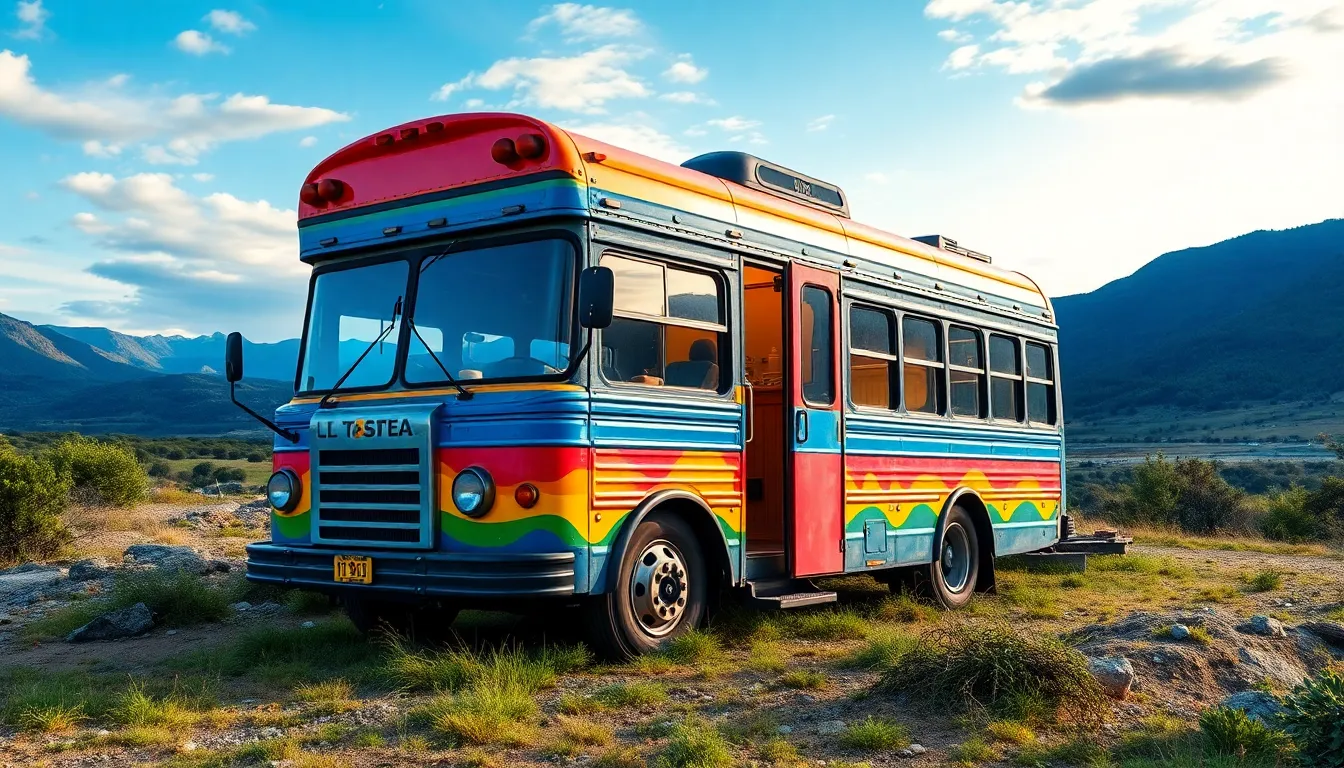
Converted bus tiny homes offer numerous advantages for those seeking an alternative lifestyle. Those benefits range from cost-effectiveness to mobility and flexibility, appealing to a diverse group of individuals.
Cost-Effectiveness
Cost-effectiveness remains a significant draw for tiny home enthusiasts. Many find converting a bus cheaper than traditional housing options. With a budget-friendly DIY approach, individuals can refresh an old bus without incurring high expenses. Materials for renovation often come from reclaimed sources, further reducing costs. Maintenance expenses typically decrease as well, thanks to the smaller size requiring fewer resources. Tax benefits may also apply in certain areas, enhancing overall savings. Ultimately, living in a converted bus allows individuals to allocate funds differently, prioritizing experiences over mortgages.
Mobility and Flexibility
Mobility and flexibility significantly enhance the appeal of converted bus tiny homes. Adventurers appreciate the ability to move their home to new locations easily. Traveling offers spontaneous adventures, allowing individuals to explore various landscapes without packing and unpacking. Those seeking a change of scenery can follow seasonal climates or trails. Parking options, such as RV parks or campgrounds, provide convenient accommodations. Flexibility in choosing urban or rural settings suits diverse lifestyles. Such freedom fosters a sense of adventure while keeping the comforts of home close at hand. Thus, the mobility factor enriches the living experience in a converted bus.
Design and Customization Options
Converting buses into tiny homes invites an array of design and customization opportunities. Owners can create a space tailored to their unique lifestyle and preferences.
Interior Layout Ideas
Innovative floor plans often optimize every inch of space. Sleeping areas can include lofted beds to free up room below for other amenities. On the other hand, multifunctional furniture like foldable tables and Murphy beds enhances flexibility. Skylights might add natural light while providing a cozy atmosphere. Open kitchen designs with compact appliances allow for efficient cooking and entertaining. Storage solutions can capitalize on vertical space, keeping clutter to a minimum.
Eco-Friendly Materials
Sustainability plays a crucial role in many bus conversions. Reclaimed wood frequently forms the foundation of stylish cabinetry and flooring, emphasizing an eco-conscious approach. Eco-friendly insulation can enhance thermal efficiency while reducing energy consumption. Solar panels often power electrical needs, offering a renewable energy source for modern living. Composting toilets further promote sustainability by reducing water use. Using low-VOC paints ensures a healthier indoor environment, supporting both the planet and its inhabitants.
Challenges of Bus Living
Living in a converted bus presents unique challenges that potential owners must navigate. These challenges often revolve around space limitations and maintenance considerations.
Space Limitations
Space constraints in a bus can pose significant challenges. Limited square footage means careful planning is essential. Multifunctional furniture becomes a necessity to maximize every square inch. Owners often find themselves prioritizing essentials over luxuries. Compromises on storage solutions and seating arrangements happen frequently. Visualization of layout before conversion aids in effective use of space. Innovative designs help create comfortable, functional living areas despite the small size. Ultimately, creativity plays a crucial role in transforming limited space into a livable environment.
Maintenance Considerations
Routine maintenance presents another challenge for bus dwellers. Regular inspections for wear and tear ensure safety while traveling. Plumbing issues can arise due to unique layouts, requiring specialized knowledge. Electrical systems also need attention to function reliably, especially if solar power is utilized. Owners benefit from understanding the vehicle’s mechanical aspects, as breakdowns can occur during travel. Planning for climate control becomes vital in ensuring comfort year-round. Maintaining aesthetics demands continued care of materials, especially those chosen for sustainability. Attention to these factors significantly impacts the overall enjoyment of the bus living experience.
Real-Life Examples of Converted Bus Tiny Homes
Converted bus tiny homes showcase creativity and resourcefulness. One popular example is the “Skoolie,” a school bus transformed into a modern home. This type of conversion often features stylish interiors with bright colors and open layouts, emphasizing the owner’s personality.
Another inspiring project is the “Nomad Bus,” which includes a compact kitchen, a cozy sleeping area, and a stylish living space. Many owners incorporate large windows to enhance natural light, making interiors feel more spacious and welcoming.
Some individuals choose to decorate with reclaimed materials. The “Green Bus” is an excellent illustration of sustainability, utilizing bamboo flooring and solar panels for energy efficiency. Eco-conscious features make this tiny home not only functional but also environmentally friendly.
Families are also embracing bus living, as seen in the “Family Cruiser.” This bus conversion includes bunk beds, a play area, and a kitchen that accommodates family meals. Such designs prioritize comfort and functionality for a mobile family lifestyle.
In addition, the “Adventure Bus” caters to outdoor enthusiasts. With an outdoor shower and ample storage for gear, this conversion balances comfort with adventure. Some owners customize their layouts to fit specific hobbies, enhancing the living experience.
Several online communities support those interested in converted buses. Forums and social media groups share tips, resources, and inspiration, connecting enthusiasts. Their collaboration often leads to innovative design solutions and creative storage ideas.
These examples reveal the diversity of converted bus tiny homes. Each conversion reflects unique preferences and priorities, combining mobility with personalized comfort in captivating ways.
Conclusion
Converted bus tiny homes represent a fascinating blend of mobility and creativity. They offer individuals a chance to embrace a lifestyle that’s both adventurous and comfortable. With innovative designs and sustainable features, these homes cater to those seeking a unique living experience.
The challenges that come with bus living inspire owners to think outside the box, leading to practical solutions and personalized spaces. As more people discover the benefits of this lifestyle, the community around bus conversions continues to grow, fostering collaboration and shared experiences.
For anyone considering a shift towards a more flexible and eco-friendly way of living, converted bus tiny homes could be the perfect solution. Each bus tells a story of transformation and adventure, inviting its occupants to explore the world from a cozy and stylish sanctuary on wheels.