Table of Contents
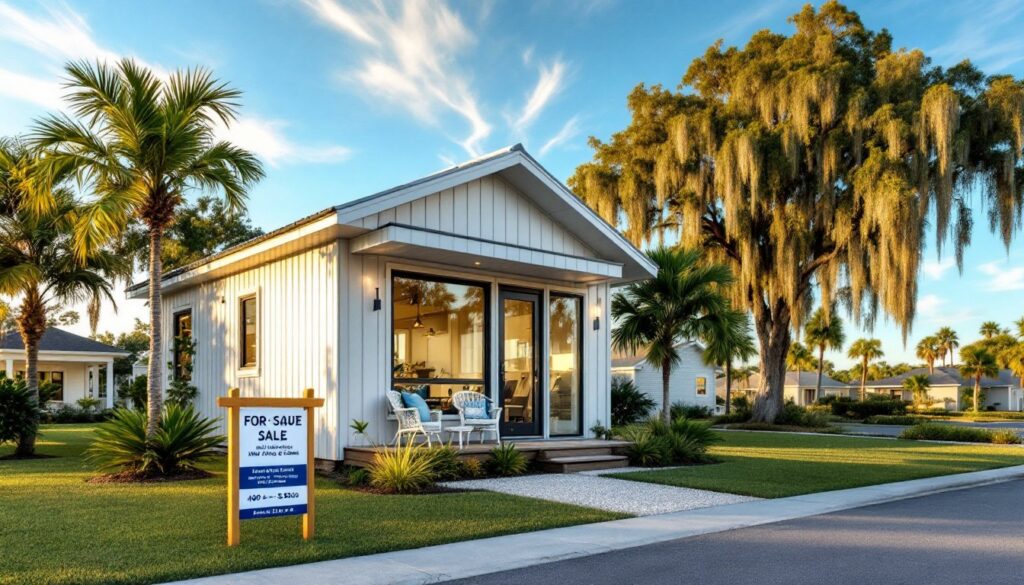
ToggleFlorida’s real estate market is shifting. The boom in tiny homes for sale in Florida reflects a national trend toward sustainable, affordable, and efficient living, but the Sunshine State presents unique opportunities and challenges for buyers. Whether you’re drawn to the financial freedom, environmental benefits, or simple lifestyle change that tiny living offers, understanding Florida’s specific market dynamics is essential. This guide walks you through what makes Florida an ideal location for tiny home living, what to evaluate before buying, and how to navigate the purchasing process with confidence.
Key Takeaways
- Florida’s tiny home market combines affordable pricing, lower construction costs, and diverse communities, making it an ideal location for sustainable and efficient living compared to other high-growth states.
- Hurricane-resistant construction, moisture control, and long cooling seasons are critical factors when evaluating tiny homes for sale in Florida, requiring inspection reports that specifically assess mold, water intrusion, and structural integrity.
- Financing tiny homes in Florida often involves personal property loans with higher rates and steeper down payments (10–20%) than conventional mortgages, though land-owned properties may qualify for traditional financing and better terms.
- Location and community governance significantly impact long-term ownership; verify HOA rules, lot rent escalation caps, lease terms, and flood risk zones before purchasing in manufactured home parks or intentional communities.
- Successful downsizing requires three months of planning, meticulous space measurement, and multiple property visits to test utilities and furniture fit before closing on your tiny home purchase.
- Insurance costs for tiny homes in Florida run higher than site-built homes, with mandatory windstorm coverage in coastal areas, making it essential to request quotes early in the buying process.
Why Florida Is Becoming the Top Destination for Tiny Home Living
Florida’s appeal for tiny home buyers goes beyond warm weather. The state has emerged as a hub for compact living communities, with municipalities increasingly zoning for accessory dwelling units (ADUs) and manufactured homes. The cost of land relative to other high-growth states remains moderate in many regions, making it possible to own property outright, something increasingly rare in traditional real estate markets.
The state’s popularity also stems from lower building costs compared to northern states. No heating infrastructure means reduced construction complexity and expense. Also, Florida’s diverse landscape offers options: from retirement-focused developments in Central Florida to artsy communities in Miami-Dade and forward-thinking neighborhoods in the Tampa Bay area.
Retirement demographics play a role too. Florida naturally attracts older buyers seeking to downsize, which has spurred tiny home inventory and infrastructure. But, younger professionals and families are increasingly joining the market, drawn by affordability and lifestyle benefits. If you’re considering the broader market, tiny home costs vary significantly by location and design, Florida’s competitive market helps keep prices reasonable compared to West Coast options.
What to Look for When Buying a Tiny Home in Florida
Climate and Weather Considerations
Florida’s subtropical and tropical climate isn’t a casual detail, it shapes material choices, maintenance schedules, and utility costs. Hurricane resistance matters. Look for homes built to Miami-Dade County standards or higher, which exceed Florida Building Code minimums. Metal roofing, reinforced structural connections, and impact-resistant windows aren’t luxuries in hurricane country: they’re baseline expectations.
Moisture and mold are constant concerns in high-humidity environments. Ensure the home has adequate ventilation, proper grading around the foundation, and quality sealants. Metal-framed construction, while less traditional, resists rot better than wood in perpetually damp conditions. Check inspection reports specifically for mold, water intrusion, and foundation settling.
Utility costs deserve attention. Florida’s cooling season is long, so inquire about insulation ratings and HVAC system condition. Some tiny homes in sunny locations benefit from solar panels, ask about existing installations and remaining warranty coverage.
Location and Community Features
Location makes or breaks a tiny home purchase, especially in Florida’s varied communities. Manufactured home parks and intentional tiny home communities have different governance structures. Some are owner-operated cooperatives: others are managed by companies. Understand the homeowners association rules, reserve fees, and whether lot rent is fixed or subject to annual increases.
Proximity to employment, schools, and services matters more in a smaller footprint where you can’t isolate yourself from nearby activity. Research flood maps, FEMA zones and historic flood data directly affect insurance costs and long-term property viability. Communities west of I-75 in South Florida face different flood risk profiles than inland areas.
Community amenities, pools, clubhouses, walking trails, are standard in many Florida tiny home parks and boost resale appeal. But, verify actual usage and maintenance quality: a beautiful amenity center poorly maintained detracts from value. For broader context on tiny homes for sale with land, many Florida buyers prefer this arrangement for privacy and long-term ownership security.
Finding and Comparing Tiny Home Listings in Florida
Start with specialized platforms: Zillow, Redfin, and Trulia filter by lot size and home dimensions, though results remain inconsistent. MLS databases accessible through local real estate agents show inventory more accurately. Many tiny home communities maintain their own websites and sales contacts, so searching by park name often beats generic searches.
Listen to your agent. A realtor familiar with manufactured homes and tiny home communities understands zoning nuances, park politics, and realistic pricing. They’ll also spot red flags, deteriorating parks, management disputes, or properties with few exit opportunities.
When comparing listings, standardize your evaluation. Compare cost per square foot, but weight it against lot size, park amenities, and structural condition. A cheaper home in a declining park is rarely a bargain. Request inspection reports, park financial statements (if applicable), and documentation of any model-specific recalls or structural issues.
Visit properties during different times of day and weather conditions. A park that feels quiet and peaceful on a Tuesday morning might be loud during evening rush or during storms. Talk to current residents informally, they’ll be frank about management responsiveness, neighbor relations, and practical maintenance issues.
Recent trends show growing interest in design-forward tiny homes, reflected in tiny home tours showcasing functional layouts. Don’t dismiss older models if the bones are solid and maintenance has been meticulous.
Financing and Legal Considerations for Florida Tiny Home Purchases
Financing a manufactured or tiny home differs from traditional mortgages. Some banks treat them as personal property loans (similar to RVs) rather than real estate mortgages, which means shorter terms, higher rates, and stricter credit requirements. But, if the home sits on owned land or qualifies as a permanent structure under Florida code, conventional financing becomes possible, and critical for affordability.
Talk to lenders early. Credit unions often offer better rates for manufactured home purchases than conventional banks. Down payments typically run 10–20%, higher than traditional homes. Interest rates vary but generally sit 1–3% above prime mortgages for titled (not land-owned) properties.
Insurance costs require attention. Homeowners insurance for manufactured homes in Florida averages higher than site-built homes, especially in coastal counties and hurricane-prone areas. Request quotes before committing to purchase. Wind insurance or separate windstorm coverage is mandatory in some zones and expensive.
Legal considerations vary by property type. If buying a lot in a manufactured home park, you don’t own the land, you own the home and lease the lot. Verify lease terms, escalation caps, and renewal conditions. Some parks have “right of first refusal” clauses affecting your resale options. Always have an attorney familiar with Florida real estate review park documents and purchase agreements.
Property taxes on tiny homes are typically lower than traditional homes due to assessed value, but they vary by county. Homestead exemptions (if you qualify) provide additional savings. Verify current tax assessments and future reassessment procedures with the county appraiser.
Making Your Move: Tips for Transitioning to Tiny Home Living
Downsizing is psychological work before it’s physical work. Start three months before moving by photographing and cataloging what you own. Most people discover they use only 20% of their belongings regularly. Be honest: if you haven’t used something in a year, it won’t fit in a tiny home for a reason.
Measure your new space meticulously. Bring floor plans and dimension every area, doorways, ceiling heights, closet depth, kitchen counter space. Note where utilities and appliances sit: these fixed points dictate furniture placement. Vertical storage becomes your strategy. Tall, narrow shelving works: sprawling sectionals don’t.
Visit the home multiple times before closing. Test water pressure, flush toilets, run the HVAC, open all cabinets and drawers. Understand the quirks: Does the refrigerator door swing toward or away from the kitchen? Are there dead zones where furniture won’t fit? Are outlets where you need them?
Plan your layout before moving day. Arrange furniture placement on paper or using floor-planning apps. This prevents the nightmare of delivery day chaos. Confirm the moving truck can access the property and that there’s adequate staging space.
Focus on multipurpose items and smart storage. Consider cabin style tiny homes for design inspiration, rustic tiny homes often exemplify efficient, cozy layouts. Modern tiny homes embrace open shelving, wall-mounted solutions, and built-in storage. Invest in quality organizers: cheap solutions fail quickly in confined spaces.
Finally, give yourself a grace period. Tiny living requires behavioral shifts, you can’t impulse-buy items, and entertaining requires different approaches. Most people adapt within 2–3 months. Resources like apartment design blogs and small space living guides offer practical decorating and organizational strategies. Trust the transition: the financial freedom and simplified lifestyle that follow make the effort worthwhile.