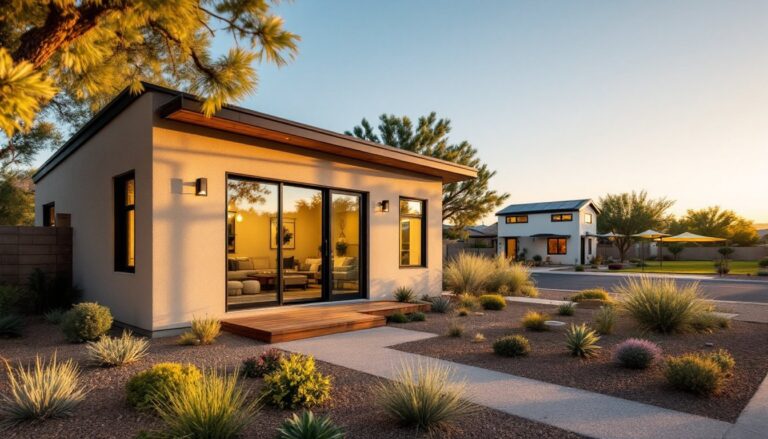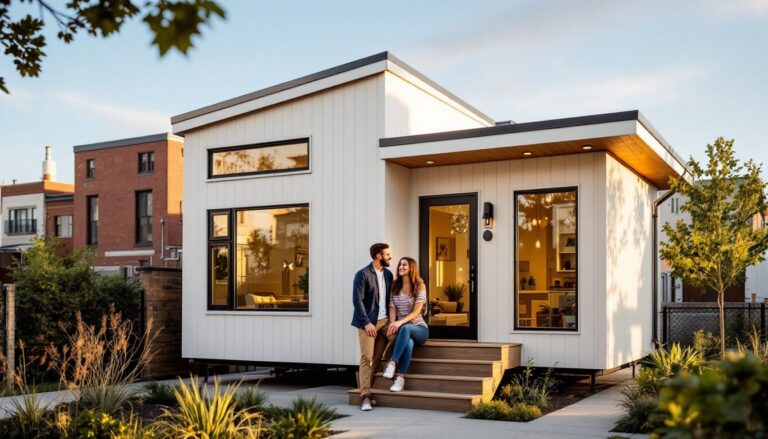
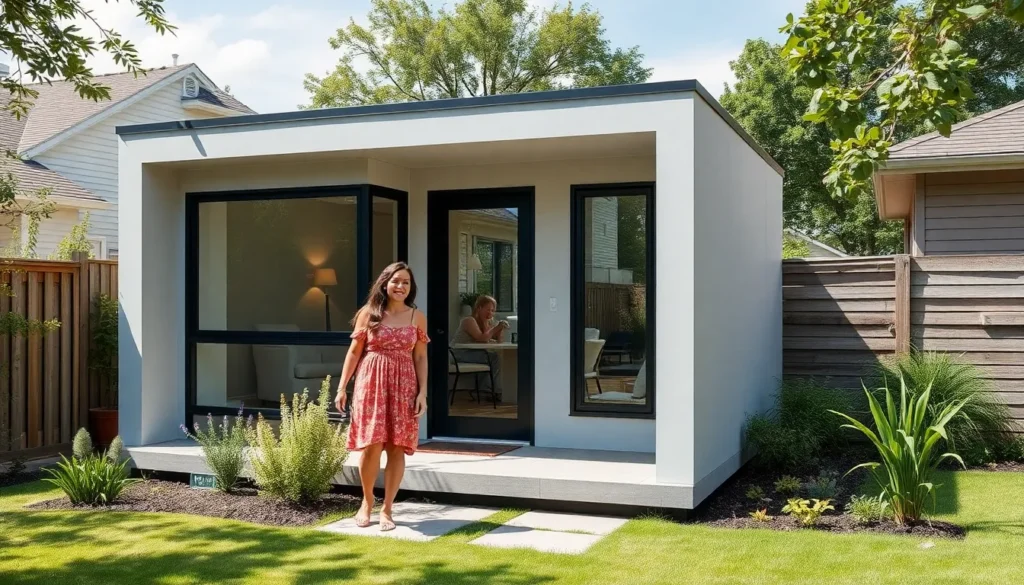
Imagine a cozy little space in your backyard, perfect for guests or that moody teenager who just needs a little distance. Welcome to the world of accessory dwelling units (ADUs), the ultimate home upgrade that’s turning heads and raising eyebrows. These charming mini-homes are not just a trend; they’re a savvy solution to housing shortages and a clever way to boost property value.
ADUs offer flexibility like no other. Whether it’s a home office, a rental unit, or a personal retreat, they adapt to your needs while keeping your main home intact. Plus, with the rising popularity of remote work, who wouldn’t want a stylish, quiet escape just steps away? Dive into the world of ADUs and discover how these little gems can transform your property and lifestyle, all while making your neighbors just a tad envious.
Overview of Accessory Dwelling Units
Accessory dwelling units, commonly referred to as ADUs, provide additional living spaces on residential properties. These structures range from detached units to garage conversions, offering adaptability for various needs. Homeowners utilize ADUs for multiple purposes, including guest accommodations, rental income sources, or dedicated home offices.
Municipalities across the United States recognize the potential of ADUs to alleviate housing shortages. Many cities implement regulations to encourage ADU development, simplifying the permit process and reducing fees. Statistics show that properties with ADUs often experience increased property value, making them a wise investment.
Design versatility sets ADUs apart. Whether rustic or modern, these units can complement existing homes. In addition, homeowners can customize layouts and features to suit their personal tastes and functional requirements. Trends indicate a growing popularity of ADUs, especially as remote work remains prevalent.
Zoning laws play a crucial role in ADU development. It’s essential for homeowners to consult local regulations before starting a project. Some areas mandate specific design criteria or size limitations, ensuring new structures blend with existing neighborhoods.
With the right planning and construction, ADUs enhance property functionality. These units provide not only financial benefits but also foster community relationships. As urbanization continues to shape living spaces, accessory dwelling units stand at the forefront of innovative housing solutions.
Benefits of Accessory Dwelling Units
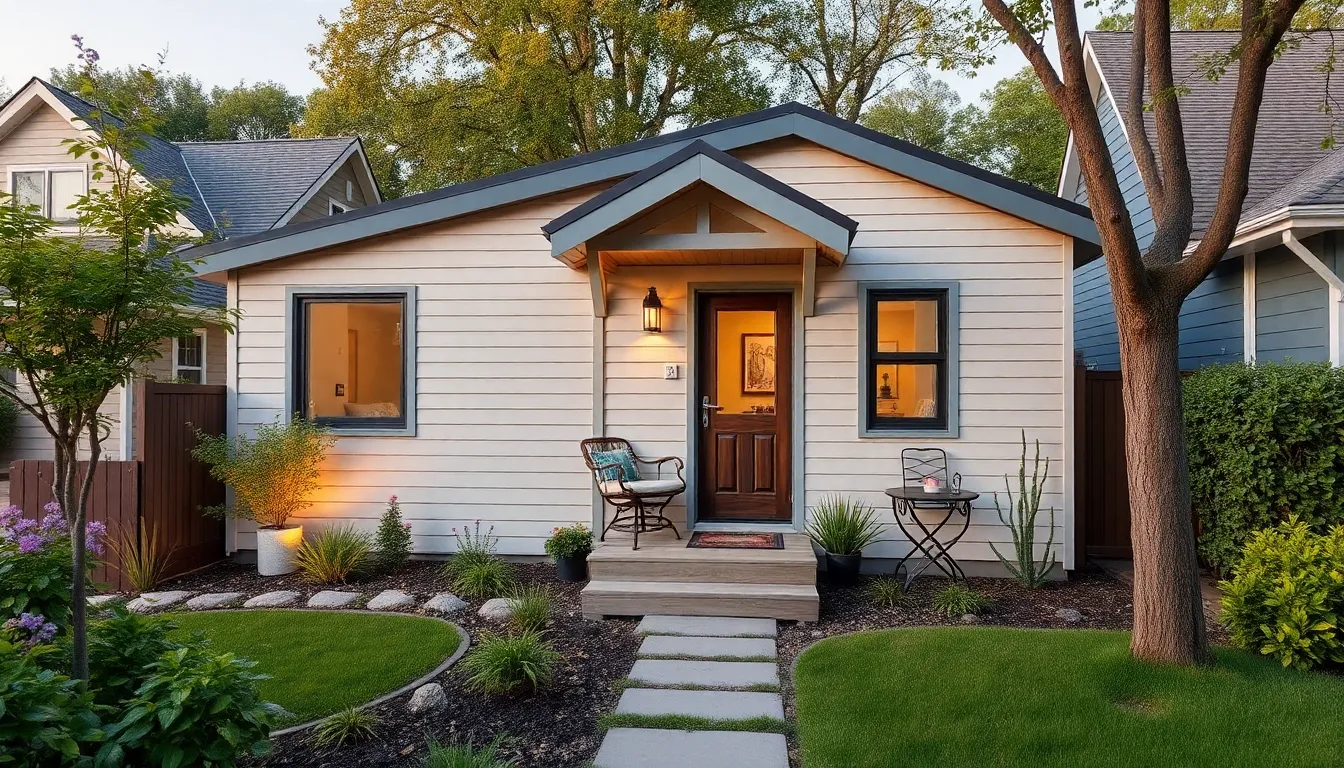
Accessory dwelling units (ADUs) provide numerous advantages for homeowners and communities alike.
Increased Housing Density
Increased housing density represents a key benefit of ADUs. These units contribute significantly to urban development by utilizing existing residential lots. Cities face growing populations, and ADUs offer a practical solution to accommodate more residents without expanding boundaries. In many areas, municipalities encourage density through zoning changes that facilitate ADU construction. This strategy effectively mitigates housing shortages while maintaining neighborhood character. For instance, areas with thriving ADUs often showcase vibrant communities, integrating diverse living spaces within established neighborhoods.
Affordability and Rental Income
Affordability remains a crucial advantage of accessory dwelling units. Homeowners gain the opportunity to generate rental income through short or long-term leases, easing financial burdens. Many individuals seek affordable housing options, positioning ADUs as attractive choices for young professionals or retirees. Enhanced financial flexibility comes from reduced mortgage costs and utility expenses. Various studies show that properties with ADUs can see increased overall property values. In 2022, homeowners generated an average of $1,200 monthly by renting out ADUs, underscoring the economic benefits of these spaces.
Design and Building Considerations
Effective design and construction of accessory dwelling units (ADUs) involves various factors. Selecting the right type ensures that homeowners maximize space and functionality.
Types of Accessory Dwelling Units
Detached units provide the most privacy and independence, making them a popular choice. Attached units often benefit from shared utilities, which can lower construction and maintenance costs. Garage conversions transform existing structures into livable spaces, appealing to those with limited yard area. Each type accommodates different design preferences and zoning constraints. Homeowners benefit from a clear understanding of these options when planning their ADU.
Zoning and Permitting Requirements
Understanding zoning regulations plays a crucial role in ADU development. Local regulations dictate permissible sizes, locations, and types of units allowed on residential properties. Some municipalities streamline the permitting process, encouraging homeowners to pursue ADUs. Researching guidelines ensures compliance and avoids potential legal issues. Engaging with local authorities can clarify specific requirements and potential fees. Taking these steps leads to a smoother building experience and successful ADU integration.
Challenges and Solutions
Accessory dwelling units (ADUs) face several challenges that homeowners must navigate. Understanding these obstacles ensures a more successful development process.
Common Obstacles
Local zoning regulations often present difficulties for homeowners looking to build ADUs. These regulations dictate allowable sizes, locations, and types, which can limit options. Permitting processes may also become time-consuming and complex, creating frustration for aspiring builders. Additionally, financing an ADU can pose a barrier, as traditional mortgage loans might not cover the costs associated with construction. Homeowners may encounter resistance from neighbors who fear increased density or changes to community aesthetics. Addressing these concerns proactively can minimize conflicts and foster community support.
Innovative Solutions in the Market
Solutions exist to help overcome the hurdles associated with building ADUs. Many municipalities are implementing streamlined permitting processes, simplifying requirements for homeowners. New financing options are increasingly available, including specific loans tailored for ADU construction. Modular and pre-fabricated ADUs offer cost-effective and efficient construction alternatives. These units often come with customizable designs, appealing to various homeowner needs. Community outreach initiatives educate potential builders on regulations, ensuring they remain compliant while fostering positive relationships with neighbors. Adopting these innovative approaches maximizes the potential for successful ADU development.
Conclusion
Accessory dwelling units offer a unique opportunity for homeowners to enhance their properties while addressing pressing housing needs. Their versatility allows for creative uses that can adapt to individual lifestyles and preferences. As cities increasingly recognize the benefits of ADUs, homeowners can take advantage of streamlined processes and innovative financing options to bring their visions to life.
Investing in an ADU not only boosts property value but also contributes to a sustainable approach to urban living. With thoughtful planning and adherence to local regulations, these units can transform spaces into functional and attractive additions that benefit both homeowners and communities. Embracing the potential of ADUs may be one of the smartest decisions for today’s homeowners looking to maximize their living environments.