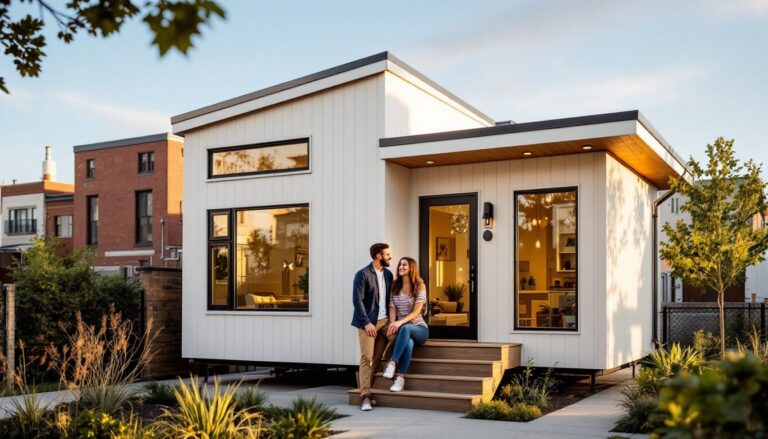

Are you ready to embark on the wild journey of renting? Think of it as a treasure hunt, where the prize is your perfect home, but without the map and full of hidden challenges. Whether you’re a first-time renter or a seasoned pro, having smart, savvy renting tips can save you from epic misadventures. This guide dives deep into everything you need to know about navigating the rental world, complete with expert advice and some laughs along the way. Let’s tackle this together, because, after all, finding a rental doesn’t have to feel like searching for a needle in a haystack.
Understanding Your Rental Needs

Before diving into listings and scheduling countless viewings, it’s crucial to understand what you actually need in a rental. Everyone has different priorities, whether it’s space, amenities, or pet policies. Taking the time to outline these needs can help narrow down choices and make the search more efficient.
- Identify Priorities: Make a list of essentials, such as the number of bedrooms, desired amenities like laundry facilities, or if you need a pet-friendly space.
- Consider Lifestyle: Do you often have guests over, or do you require a home office? These lifestyle factors can dictate what type of space works best.
- Future Plans: Think about your plans for the next year or two. Are you planning to expand your family or switch jobs? Your rental needs might change accordingly.
Setting a Realistic Budget
Money matters more than ever when renting. Setting a realistic budget ensures that you not only afford your new place but also allow for life’s little surprises.
- Consider All Costs: Rent isn’t your only expense. Don’t forget utilities, internet, and maybe even monthly parking fees.
- 30% Rule: A widely accepted guideline suggests that you spend about 30% of your gross income on housing. Keeping within this range can make maintaining a comfortable lifestyle manageable.
- Emergency Fund: Unexpected repairs or changes can arise: setting aside funds can save you stress down the road. It’s wise to have a bit of savings just in case.
Choosing the Right Location
Location can make or break your renting experience. It’s more than just finding a nice building: it’s about finding the right community.
- Proximity to Work: Reducing your commute can significantly improve your quality of life. Think about how much time you’re willing to spend traveling daily.
- Neighborhood Vibe: Explore the area at different times to get a feel for the neighborhood’s atmosphere. Are there parks, shops, or friendly neighbors? Your surroundings contribute significantly to your overall happiness.
- Safety: Check local crime statistics online or chat with residents to assess safety. No one wants to feel uneasy at home.
Essential Steps in the Rental Process
Once you’ve identified your needs and set a budget, it’s time to embark on the rental process itself. Here are some essential steps to consider.
- Start the Search: Use online platforms and local listings. Don’t hesitate to enlist the help of a real estate agent if you’re feeling overwhelmed.
- View the Properties: Schedule showings and use this time to assess not just the apartment but the building’s condition and amenities.
- Read Reviews: Online reviews about both the property and the landlord can provide valuable insight.
- Prepare Documentation: Landlords often want proof of income and references. Having these documents ready can speed up the application process.
Negotiating Your Lease Agreement
Don’t be afraid to negotiate. Many renters miss out on favorable terms simply because they think the lease is set in stone.
- Ask Questions: Ensure you fully understand each clause of the lease agreement. What might seem innocuous can have unexpected consequences later.
- Negotiate Terms: Can you ask for a lower rent or a longer lease? Perhaps you could negotiate if pets are allowed without an extra fee. It never hurts to ask.
- Understand the Fees: Be clear on deposit amounts and any potential hidden fees. Knowing exactly what you’re agreeing to can help prevent future disputes.
Preparing for Move-In Day
Congratulations. You’ve found your new home. Now, let’s get ready for the big move.
- Confirm Details: Ensure what day and time you’re expected to move in. If you’re bringing movers, confirm their arrival times too.
- Pack Strategically: Organize your belongings and label boxes clearly. This will save time and confusion on moving day.
- Utilities: Set up your utilities ahead of time so you have water, electricity, and internet when you arrive. There’s nothing worse than arriving to a dark, silent home.
Maintaining a Positive Landlord Relationship
Once you’ve settled in, fostering a good relationship with your landlord can make your renting experience much smoother.
- Communication is Key: If any issues arise, reach out promptly. Good communication can solve potential problems before they become major headaches.
- Respect the Property: Treating the property with care reflects well on you as a tenant. Regular cleaning helps maintain a good rental condition.
- Be a Good Neighbor: Upholding friendliness with neighbors creates a pleasant atmosphere and positively impacts your landlord’s perception of you.