Table of Contents
ToggleTiny homes are taking the world by storm, and for good reason. Who wouldn’t want to live large in a pint-sized paradise? Imagine cozying up in a space that’s not just a home but a lifestyle choice—one that champions simplicity, sustainability, and a sprinkle of creativity. Tiny homes offer the chance to declutter both life and mind, freeing up time for what really matters: binge-watching your favorite shows or perfecting that sourdough recipe.
Overview of Tiny Homes
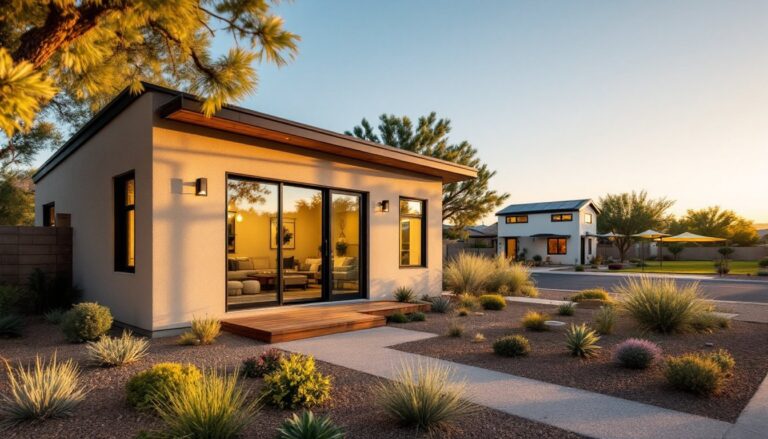
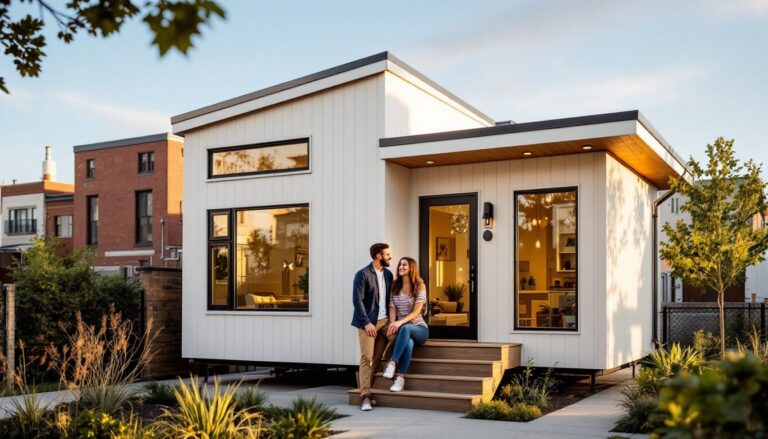
Tiny homes represent a growing trend in modern living, capturing attention for their practicality and design. Many individuals and families choose tiny homes to simplify their lives, focusing on essentials rather than excess. The movement emphasizes sustainability, promoting environmentally friendly practices through smaller living spaces.
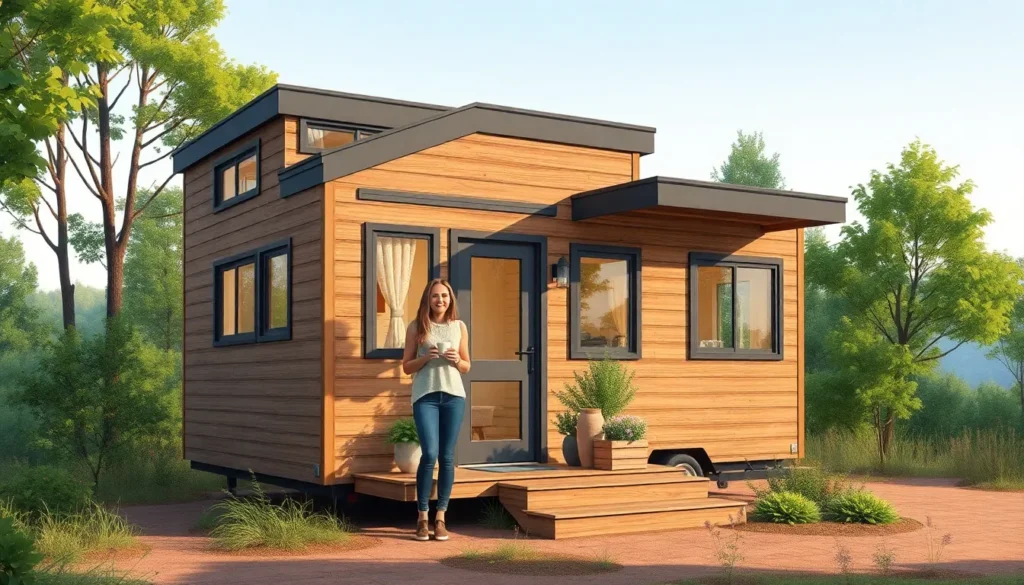
A variety of styles exist within the tiny home community. Some prefer mobile tiny houses on wheels, allowing for travel and flexibility. Others opt for stationary homes, integrating creative design elements that maximize functionality in limited square footage. Features often include multi-purpose furniture, efficient storage solutions, and innovative layouts.
The affordability of tiny homes attracts a diverse range of buyers. Costs can vary widely, with some tiny homes priced under $20,000 and others exceeding $100,000, depending on size and materials. These homes offer an opportunity for financial freedom through reduced housing expenses and lower utility bills.
Tiny homes also encourage a stronger sense of community. Many tiny house villages form, where residents share resources and support each other. This sense of connection aligns well with the minimalist philosophy underpinning the movement.
Accessibility to nature often inspires tiny home dwellers. Many choose locations that provide proximity to natural landscapes, promoting outdoor activities and a healthier lifestyle. This emphasis on integrating housing with nature contributes to overall well-being, enhancing the appeal of tiny living.
Innovative designs continue to emerge within the tiny home sector. Architects and builders experiment with new materials and technologies, making tiny homes more efficient and appealing. These developments ensure the tiny home movement remains relevant and vibrant in the housing landscape.
Benefits of Tiny Homes
Tiny homes offer numerous advantages that attract many individuals seeking an alternative lifestyle. These benefits often revolve around financial savings, environmental impact, and personal well-being.
Affordability
Affordability stands out as a prime reason for choosing tiny homes. Many tiny homes cost significantly less than traditional houses, often ranging from $10,000 to $60,000. Lower utility bills follow suit because smaller spaces require less energy for heating and cooling. However, potential homeowners can minimize their mortgage or even eliminate it entirely. Reduced maintenance costs further enhance financial freedom, allowing individuals to direct funds towards experiences instead of payments. Tiny homes appeal to those searching for a simpler, more economical lifestyle.
Sustainability
Sustainability shapes the tiny home movement. Many tiny homes utilize eco-friendly materials, contributing to reduced carbon footprints. Smaller homes require fewer resources during construction, resulting in less waste. Off-grid capabilities also allow homeowners to harness renewable energy sources, such as solar panels. Residents often choose to live near nature, fostering a connection with the environment. This lifestyle encourages minimalism, reducing consumption and promoting responsible living. Emphasizing sustainability provides a sense of purpose that resonates with eco-conscious individuals.
Tiny Home Design Ideas
Tiny home design blends creativity with practicality, making efficient use of limited space. Various strategies enhance functionality while maintaining an inviting atmosphere.
Open Floor Plans
Open floor plans create a sense of spaciousness. By removing walls, these designs maximize natural light and airflow. An open layout connects living, dining, and kitchen areas, promoting a seamless flow. This interaction cultivates a cozy environment, ideal for socializing. Finding furniture that complements this layout is essential, ensuring that each space serves multiple purposes. Strategies for leveraging vertical space, such as high shelves, enhance storage options without cluttering floors. Emphasizing minimal furniture choices maintains clarity and simplicity.
Multi-Functional Furniture
Multi-functional furniture is a key component in tiny homes. Pieces that serve dual roles optimize space and enhance usability. For example, a sofa bed provides seating during the day and transforms into a sleeping area at night. Foldable tables and chairs can be easily stored away, creating open areas for activities. Choosing built-in storage solutions, like ottomans or stools, helps conceal items while adding functionality. Many manufacturers now offer customizable options, allowing tiny homeowners to tailor pieces to their specific needs. Prioritizing versatility in furniture design elevates the overall experience of tiny living.
Tiny Home Interior Decor
Interior decor in tiny homes emphasizes functionality and creativity. Optimal design elements create an inviting atmosphere while maximizing space.
Minimalist Aesthetic
Minimalist aesthetics define tiny home decor by promoting simplicity and purpose. Clean lines and uncluttered spaces create a sense of calm. Fewer decorative items prevent overwhelming visual clutter. Natural materials like wood and stone enhance warmth and texture. Incorporating a limited color palette adds sophistication and coherence. Multi-functional furniture, such as a sofa bed, doubles as seating and sleeping space. Shelving units serve both storage and display purposes, allowing personal touches without compromising space. Accessories, like plants or minimalist artwork, contribute subtle charm while maintaining the focus on functionality.
Color Schemes for Small Spaces
Choosing effective color schemes enhances the perception of space in tiny homes. Lighter hues reflect light and create an airy vibe, making areas feel larger. Soft whites, pastels, or light grays contribute to a fresh ambiance. Darker colors can also work; using them on accent walls adds depth without enclosing spaces. Bold accents in furniture or accessories inject personality and capture attention. Shimmering finishes, like mirrors or glossy surfaces, amplify natural light, further enhancing the openness of a room. Experimenting with layering shades creates visual interest while maintaining harmony throughout the home.
Outdoor Spaces in Tiny Homes
Outdoor spaces play a vital role in enhancing the living experience in tiny homes. These areas provide opportunities for relaxation, entertainment, and connection with nature.
Utilizing Patios and Balconies
Patios and balconies serve as extensions of tiny homes, offering outdoor areas for leisure. Consider comfortable seating arrangements that invite relaxation. Incorporate potted plants to introduce greenery and improve air quality. Use compact furniture, like folding chairs and tables, to maximize space without overcrowding.
Creative shading solutions, such as pergolas or retractable awnings, protect against the elements. Install outdoor lighting to create ambiance for evening gatherings. A small grill or fire pit can facilitate cooking and socializing, enhancing outdoor enjoyment. Embracing these outdoor ideas can transform limited areas into inviting retreats that extend the living space.
Embracing the tiny home lifestyle offers a unique opportunity for individuals to simplify their lives while fostering creativity and sustainability. The movement not only promotes financial freedom but also encourages a deeper connection with nature and community.
Innovative design ideas and efficient use of space make tiny homes both stylish and functional. By prioritizing minimalism and incorporating multi-functional furniture, residents can create inviting atmospheres that reflect their personal tastes.
As the tiny home movement continues to evolve, it remains a vibrant option for those seeking a purposeful way of living. Whether through clever interior decor or enhancing outdoor spaces, tiny homes provide endless possibilities for a fulfilling lifestyle.