
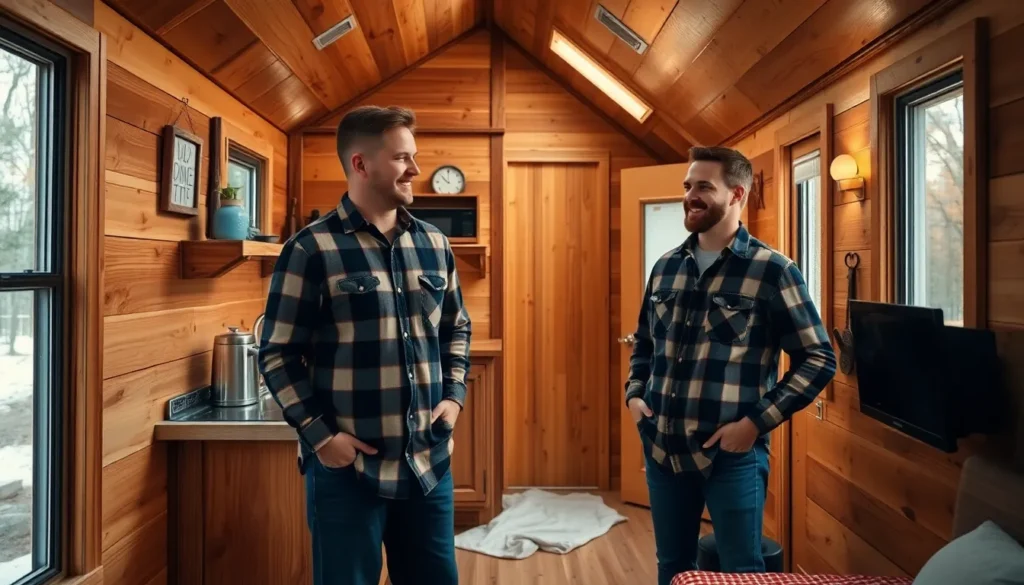
In a world where bigger often seems better, tiny homes are flipping the script. These cozy havens offer a minimalist lifestyle without sacrificing comfort, but there’s one crucial element that can make or break the experience: insulation. It’s the unsung hero of tiny living, keeping the chill out in winter and the heat at bay in summer. Think of it as the warm hug your home needs to thrive.
Overview of Tiny Home Insulation
Tiny home insulation plays a crucial role in maintaining energy efficiency and comfort. Effective insulation reduces heat loss in winter and minimizes heat gain in summer. This regulation helps maintain a stable internal temperature, which is vital in smaller living spaces.
Several insulation types suit tiny homes. Fiberglass batts offer affordability and reasonable thermal performance. Rigid foam boards provide higher R-value per inch, making them ideal for compact areas. Spray foam insulation fills gaps and cracks, creating a tight seal against air leaks.
The choice of insulation impacts energy consumption and utility bills. Proper insulation aids in cutting heating and cooling costs, benefiting both the environment and the homeowner’s wallet. Acoustic insulation options also exist for those who prioritize noise reduction, enhancing privacy in tiny homes.
Installation methods vary based on the chosen insulation type. Batts require careful measurements and fitting, while spray foam involves professional application. Homeowners often consider the long-term benefits and maintenance requirements of their insulation choices.
Building codes and climate conditions influence insulation decisions. Local regulations may dictate minimum R-values, ensuring adequate performance. Similarly, climate zones affect the insulation layer thickness, with colder regions necessitating more robust solutions to combat harsh weather.
In essence, tiny home insulation significantly enhances living conditions. Its selection and installation directly correlate with comfort levels, energy efficiency, and overall satisfaction in a compact dwelling. Each insulation option has distinct advantages, making it essential for homeowners to assess their specific needs carefully.
Benefits of Proper Insulation
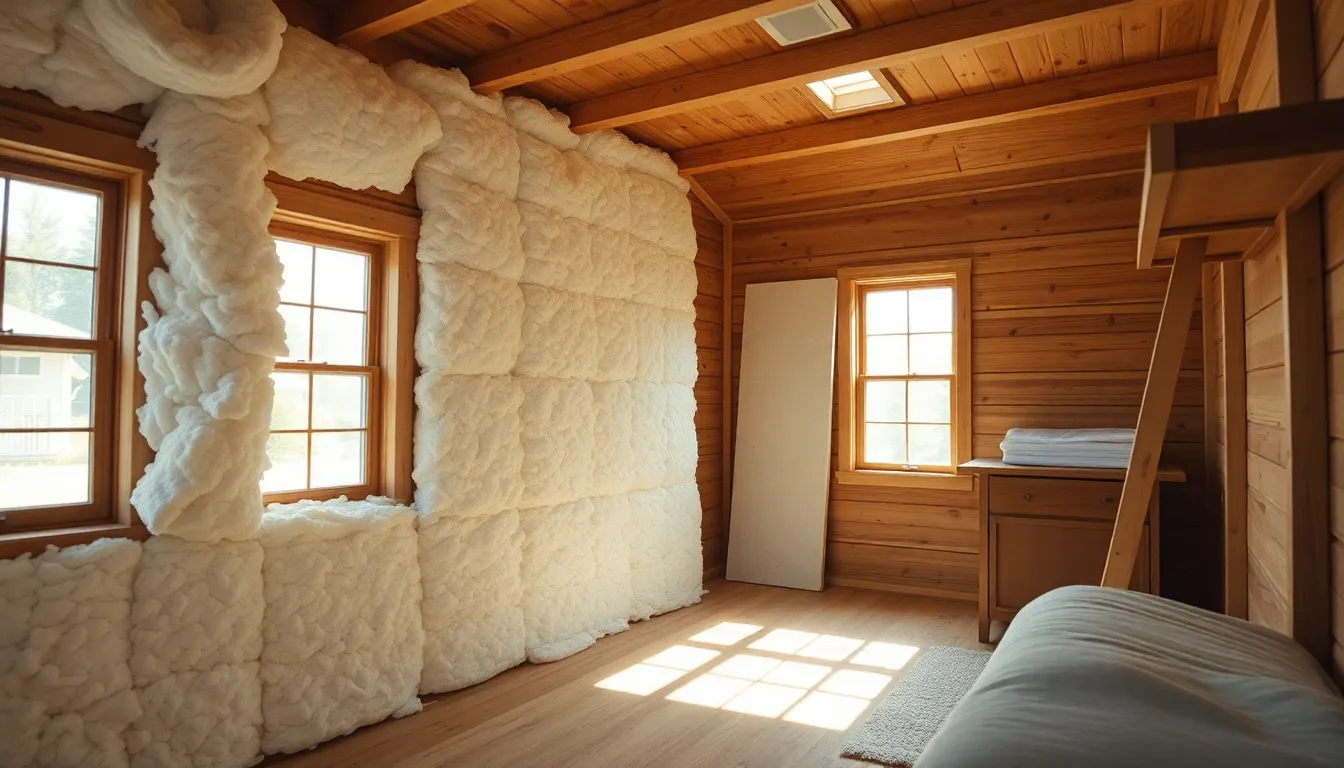
Proper insulation enhances the effectiveness of tiny homes by improving energy efficiency and comfort levels. This section explores these key benefits in detail.
Energy Efficiency
Energy efficiency significantly benefits from proper insulation in tiny homes. Effective insulation reduces the need for heating systems during winter and air conditioning during summer, leading to less energy consumption. Insulation types, such as fiberglass batts and rigid foam boards, play a vital role in stabilizing internal temperatures. Choosing the right insulation material directly impacts utility bills, with well-insulated homes experiencing savings on monthly expenses. Proper installation ensures compliance with local building codes, maximizing the benefits derived from insulation. Maintaining optimal insulation levels helps keep heating and cooling systems from overworking, which contributes to lower energy usage.
Comfort Levels
Comfort levels improve substantially with the right insulation in tiny homes. Insulation regulates temperature fluctuations, contributing to a cozy indoor environment year-round. Acoustic insulation further enhances comfort by minimizing outside noise, allowing for peaceful living. Choosing the appropriate insulation material affects how well tiny homes maintain warmth during cold months and coolness in the heat. Effective insulation techniques, like sealing gaps, also enhance overall comfort by preventing drafts. Ensuring a consistent indoor climate fosters a pleasant atmosphere, making tiny living enjoyable and stress-free.
Types of Insulation for Tiny Homes
Various insulation types cater specifically to the unique requirements of tiny homes, enhancing energy efficiency and comfort.
Foam Board Insulation
Foam board insulation consists of rigid panels made from polystyrene or polyisocyanurate. These panels provide excellent thermal resistance, making them ideal for tiny homes. Easily cut to fit around windows, doors, and corners, foam boards effectively minimize heat loss. Additionally, they add structural integrity while being lightweight. Homeowners often use foam board insulation in floors, walls, and ceilings, adapting its versatility across different applications.
Spray Foam Insulation
Spray foam insulation serves as a superior option, expanding to fill gaps and cracks upon application. This type ensures an airtight seal, drastically reducing air leakage. Effective in tiny homes, spray foam provides outstanding thermal resistance while also adding soundproofing benefits. Professionals typically apply this insulation to achieve optimal results. Although spray foam has a higher upfront cost, its long-term energy savings frequently justify the investment.
Mineral Wool Insulation
Mineral wool insulation, composed of fiberglass or stone fibers, offers unique properties beneficial for tiny homes. This type is fire-resistant and provides excellent soundproofing, enhancing indoor comfort. Additionally, mineral wool does not absorb water, preventing mold growth and ensuring durability. It fits well in various spaces, making it a versatile choice for tiny home construction. As a result, many homeowners opt for mineral wool to balance insulation performance with safety and longevity.
Installation Tips for Tiny Home Insulation
Insulating a tiny home requires careful planning and execution. Selecting the right method for installation maximizes the effectiveness of the insulation.
DIY vs. Professional Installation
DIY installation offers cost savings for those with some construction experience. Homeowners can choose insulation types that fit their budget, like fiberglass batts or foam boards. Experience level determines the complexity of the project. Professional installation provides expertise, ensuring proper sealing and compliance with building codes. Expert installers handle labor-intensive materials like spray foam, which creates an airtight seal. Weighing comfort with skill level helps homeowners decide between these options.
Common Mistakes to Avoid
Avoiding mistakes ensures successful insulation. Mismeasuring insulation materials can lead to gaps, reducing effectiveness. Leaving unsealed areas allows air leaks, impacting energy efficiency. Ignoring local building codes may result in fines or forced modifications. Overlooking ventilation needs also affects indoor air quality and moisture buildup. Taking time to review installation guidelines minimizes potential issues and enhances overall performance. Prioritizing precision leads to a well-insulated tiny home that provides comfort and efficiency.
Conclusion
Tiny home insulation is a key factor in achieving comfort and energy efficiency in small living spaces. By choosing the right insulation type and ensuring proper installation, homeowners can create a cozy environment that minimizes energy costs.
With options like foam board and spray foam insulation, each choice brings unique benefits to the table. The right insulation not only regulates temperature but also enhances privacy and reduces noise.
Investing time and resources into effective insulation pays off in the long run, leading to a more enjoyable tiny living experience. Embracing these practices will help ensure that tiny homes remain comfortable and efficient year-round.