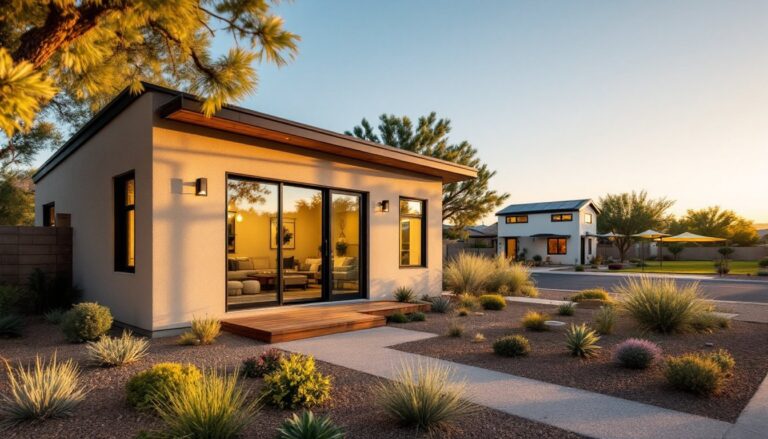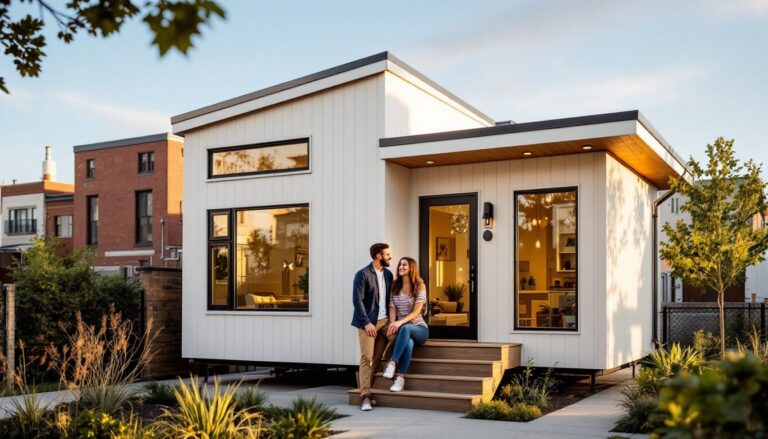
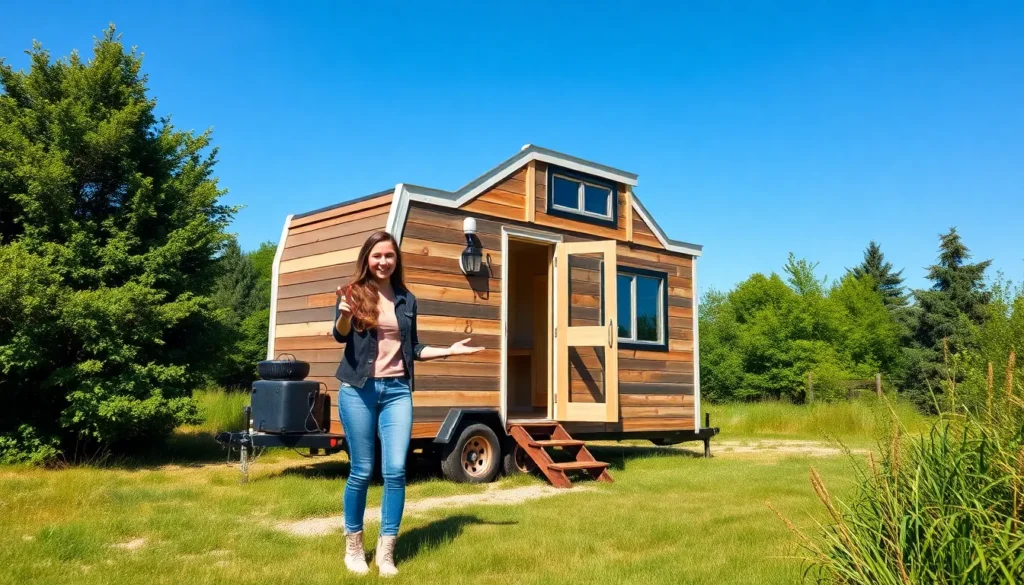
Tiny homes are all the rage, but let’s face it—living in a shoebox on wheels can feel like a game of Tetris gone wrong. With space at a premium and the open road calling, mastering tiny home mobility isn’t just a skill; it’s an art form. Whether it’s securing your prized avocado toast maker or figuring out how to fit a king-sized bed into a closet, these tips will help turn your mobile lifestyle into a smooth ride.
Understanding Tiny Home Mobility
Tiny home mobility involves adapting to a lifestyle that maximizes efficiency in limited spaces. Embracing this concept allows individuals to move freely while enjoying the benefits of tiny living.
Benefits of Tiny Home Mobility
Mobility in tiny homes offers several advantages. First, it promotes financial savings by reducing living costs associated with larger homes. Flexibility becomes a key aspect, as owners can explore different locations, connect more with nature, and experience varied communities. Simplicity also enhances day-to-day living, as fewer possessions lessen clutter and stress. Moreover, tiny home mobility encourages sustainable living habits, making it easier to adopt eco-friendly practices. Enhanced community connections arise from traveling and meeting diverse people.
Challenges of Tiny Home Mobility
Despite its benefits, tiny home mobility presents challenges. Space constraints can lead to storage issues, making organization essential. Finding suitable parking or land for tiny homes becomes a significant consideration, often requiring research and permits. Weather conditions may impact mobility, necessitating durable construction choices. Limited living space might also complicate social gatherings, challenging homeowners to foster enjoyable interactions. Lastly, maintaining a mobile lifestyle may require ongoing adjustments and readiness to adapt, which some might find daunting.
Essential Tiny Home Mobility Tips
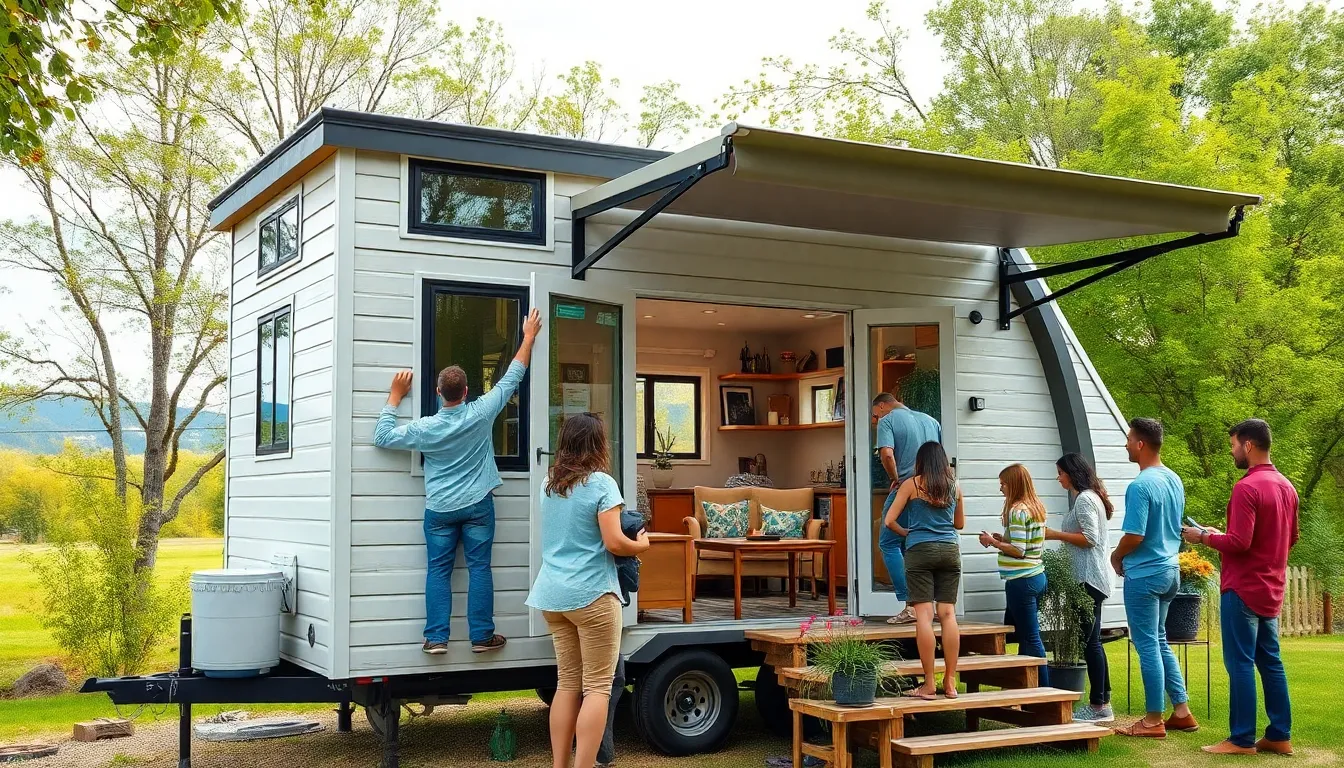
Effective mobility in a tiny home enhances the overall living experience. Mastering specific strategies makes travel easier and more enjoyable.
Choosing the Right Location
Selecting an ideal location for a tiny home plays a crucial role in mobility. Factors like proximity to amenities, safety, and zoning regulations matter greatly. Assessing local climate conditions aids in determining suitable parking spots. Seasonal weather patterns influence living comfort and transportation needs. Researching potential sites ensures seamless transitions from one area to another. Every region presents unique opportunities for adventure or relaxation.
Optimizing Space for Mobility
Maximizing space efficiency is essential for mobility in tiny homes. Utilizing multi-functional furniture provides versatility while conserving square footage. Implementing vertical storage solutions frees up floor space for movement. Keeping belongings organized prevents clutter, ensuring easy access during travel. Arranging items to keep essential gear within reach enhances convenience. Regularly decluttering helps maintain an efficient living area, promoting a sense of openness.
Securing Your Tiny Home for Travel
Securing a tiny home before travel prevents damage and keeps possessions safe. Fastening all windows and doors effectively protects against weather and theft. Investing in high-quality locks fortifies security during relocations. Utilizing wheel chocks stabilizes the home when parked, reducing movement. Insulating pipes and protecting the exterior minimizes the risk of damage in varying climates. Conducting a thorough checklist before departure ensures all aspects are covered for a smooth journey.
Tools and Resources for Tiny Home Travelers
Tiny home travelers benefit from a variety of tools and resources designed for convenience and efficiency. These items enhance the mobile lifestyle, contributing to a more enjoyable experience on the road.
Portable Utilities and Appliances
Portable utilities and appliances play a vital role in tiny home living. Compact cooktops, lightweight camp stoves, and efficient mini-fridges offer essential cooking and food storage options. Battery-operated lights and solar-powered chargers ensure access to electricity even off the grid. Additionally, portable water filtration systems provide clean drinking water during travels. Investing in collapsible kitchenware saves precious space while maintaining functionality. Each of these tools has a specific purpose, making them invaluable for tiny home travelers.
Mobile Internet Solutions
Mobile internet solutions are crucial for staying connected while on the move. Hotspots and cellular routers enable reliable internet access regardless of location. Various mobile data plans cater to different needs and budgets, making it easier to find the right option. Satellite internet is another possibility for remote areas, ensuring connectivity in even the most secluded spots. Utilizing apps like Wi-Fi Finder can help locate public networks during travels. Choices abound in the mobile internet landscape, allowing tiny home travelers to remain connected and share their experiences.
Maintenance and Safety Tips for Tiny Homes on the Move
Maintaining a tiny home involves regular checks and careful planning. It ensures the home remains in good condition while on the move.
Regular Maintenance Checklist
Perform visual inspections, looking for any signs of wear on the exterior. Check the roof for leaks or damage, as this affects overall integrity. Inspect plumbing systems regularly, ensuring all connections are secure to prevent leaks. Test electrical systems, including batteries and appliances, to ensure functionality. Clean the undercarriage to remove debris that can cause corrosion. Lubricate moving parts, such as hinges and wheels, to maintain smooth operation. Create a maintenance schedule, dedicating time each month for thorough inspections. Keeping records can help track repairs and replacements, making future maintenance easier.
Safety Precautions While Traveling
Ensure all belongings are secured before traveling to prevent shifts during movement. Fasten cabinets and drawers, using childproof locks if necessary. Utilize wheel chocks when parked to prevent rolling on uneven surfaces. Check tire pressure routinely, adjusting them to match manufacturer specifications for safety. Observe weight limits for the tiny home, avoiding overloading that can lead to hazardous driving conditions. Invest in a quality hitch and safety chains, ensuring a secure connection between the tiny home and vehicle. Familiarize yourself with local laws regarding mobile homes, as regulations may vary by region.
Conclusion
Embracing tiny home mobility offers a unique blend of freedom and simplicity. By implementing effective strategies for space management and securing belongings, individuals can enhance their mobile lifestyle while minimizing stress. The right tools and resources further elevate the experience, ensuring comfort and connectivity on the road.
As tiny home travelers navigate the challenges of their compact living spaces, ongoing adjustments and mindful planning become essential. With the right mindset and preparation, the journey becomes not just a means of living but an enriching adventure filled with new experiences and connections.