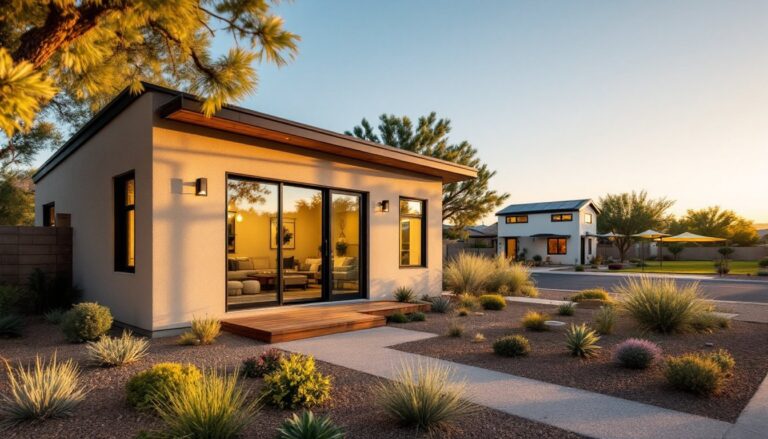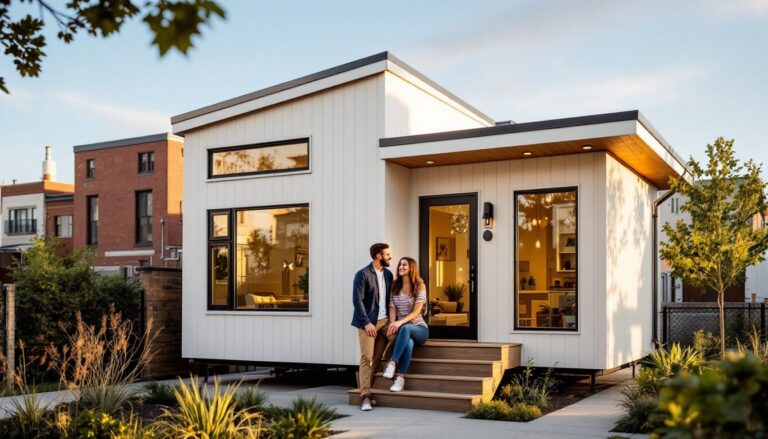
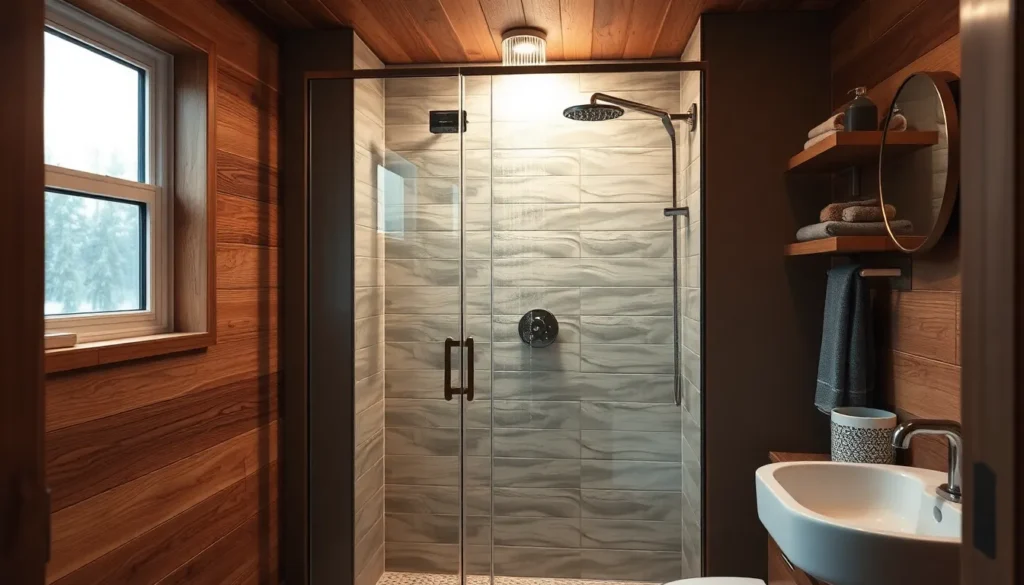
In a world where space is at a premium, tiny homes are taking center stage, and with them comes the challenge of fitting all the essentials into a pint-sized paradise. One of the trickiest tasks? Designing a shower that doesn’t feel like a sardine can. But fear not! The tiny home shower can be both functional and fabulous, proving that good things really do come in small packages.
Overview of Tiny Home Showers
Tiny home showers play a critical role in maximizing comfort and functionality in limited spaces. Creative design and efficient use of materials can transform these compact areas into stylish retreats.
Importance of Showers in Tiny Homes
Showers provide essential hygiene and relaxation. In tiny homes, opting for a well-designed shower cabin enhances the living experience. Effective use of water systems ensures efficiency, reducing water waste while maintaining comfort. Additionally, showers contribute to the overall aesthetics of tiny homes. Practical design solutions not only optimize space but also elevate the home’s appeal.
Popular Trends in Tiny Home Showers
Many homeowners embrace minimalist designs in their showers. Frameless glass doors create a sense of openness while enabling natural light flow. Rainfall showerheads add a touch of luxury without occupying much space. Some favor multifunctional fixtures that combine shower and storage solutions. Sustainable materials, such as bamboo or recycled tiles, appeal to environmentally conscious builders. Choosing vibrant colors or unique patterns enhance visual interest, making tiny showers both functional and stylish.
Types of Tiny Home Showers
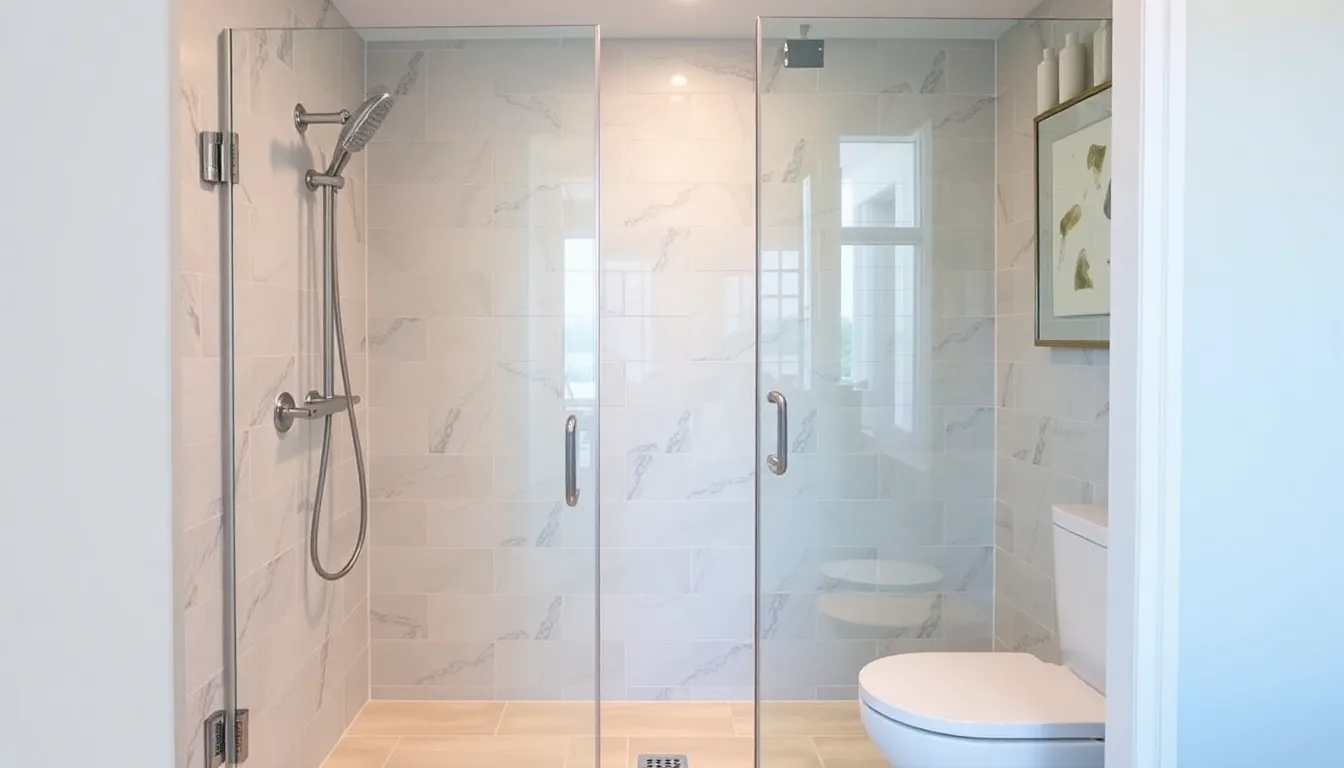
Tiny home showers come in several types, each catering to specific needs and space considerations. The right choice enhances functionality and aesthetics within limited areas.
Wet Room Showers
Wet room showers maximize available space by integrating the shower area with the rest of the bathroom. These designs feature open layouts with drainage systems, allowing water to flow freely. Typically, walls remain undivided, promoting a seamless look. Using tiles or waterproof materials, residents achieve a modern and clean appearance. Wet rooms also facilitate easy access for mobility-challenged individuals, making them a practical option for many tiny homes.
Stall Showers
Stall showers offer a compact solution tailored for tiny home living. These units often feature prefabricated enclosures, which simplify installation and reduce construction time. Design options range from corner units to alcove styles, maximizing corner space efficiently. Standard sizes usually fit into small footprints, making them easy to incorporate. Additionally, many stall showers come with built-in shelves or benches, providing extra storage for toiletries, maximizing utility in a confined area.
Portable Showers
Portable showers serve as versatile options for tiny home inhabitants seeking flexibility. These units often resemble outdoor camping showers, designed for easy setup and takedown. Featuring collapsible structures, they can fit within limited storage areas when not in use. Many portable models utilize solar power for heating water, ensuring sustainability. Convenience and functionality define these showers, making them ideal for off-grid living or temporary housing scenarios.
Design Considerations
Designing a shower for a tiny home poses unique challenges that require thoughtful planning and creativity. Focus on maximizing functionality while maintaining style.
Space-Saving Techniques
Utilizing vertical space allows for more storage and a less cluttered appearance. Installing wall-mounted shelves provides essential storage for toiletries, keeping surfaces clear. Opting for a corner shower can enhance the available area, fitting snugly into often underutilized spaces. Sliding doors, rather than swinging ones, create additional room, promoting easy access without compromising movement. Modular designs create flexibility, allowing for customized options tailored to specific needs.
Water Efficiency Solutions
Incorporating low-flow showerheads significantly reduces water usage without sacrificing performance. Smart shower timers help manage time spent in the shower, promoting conservation. Utilizing recirculation systems ensures that water rapidly warms, minimizing waste while waiting for the desired temperature. Water-efficient fixtures not only lower utility bills but also contribute to sustainable living practices. Opting for dual-flush toilets can further enhance water conservation efforts, complementing efficient shower designs.
Installation Tips for Tiny Home Showers
Installing a shower in a tiny home requires careful planning and consideration.
Plumbing Considerations
Plumbing configurations greatly influence the efficiency of tiny home showers. Direct access to plumbing lines enhances water flow and prevents costly adjustments later. Select low-flow fixtures to conserve water while maintaining pressure. Utilize flexible piping to navigate tight spaces and corners easily. Insulating pipes helps prevent freezing, especially in colder climates. Inspect local building codes to ensure compliance when installing drainage systems. Proper drainage design prevents water pooling, protecting the integrity of the tiny home’s structure.
Choosing the Right Location
Selecting an optimal location for installing a shower can significantly impact functionality. Positioning the shower near existing plumbing reduces installation costs and time. Prioritize locations that offer privacy, such as corners or enclosures, to balance space and comfort. Aligning the shower with natural light sources enhances the overall aesthetic while creating an open atmosphere. Consider access to ventilation to minimize moisture buildup and prevent mold. Evaluating nearby structures allows for strategic door placements to maximize space and ease of use.
Maintenance of Tiny Home Showers
Maintaining tiny home showers involves regular cleaning and mold prevention strategies to ensure hygiene and longevity.
Regular Cleaning Tips
Cleaning tiny home showers frequently prevents buildup and keeps them looking their best. Use a mild, non-toxic cleaner suitable for shower surfaces to avoid damage. Incorporate a squeegee after each shower to eliminate water spots. Regularly check and clean showerheads and faucets to remove mineral deposits that can affect water flow. For glass doors, use a mixture of vinegar and water to maintain clarity. Establish a weekly cleaning routine to manage soap scum and grime effectively.
Preventing Mold and Mildew
Staying proactive about mold and mildew prevention is crucial in tiny home showers. Ventilation plays a significant role; ensure the shower area receives adequate airflow by installing an exhaust fan or utilizing a window. Keep the humidity level low by allowing surfaces to dry thoroughly after use. Additionally, consider using a mold-resistant shower curtain or liner to prevent unwanted growth. Regular inspections of grout and caulk can catch issues early, allowing for prompt repairs before mold takes hold.
Conclusion
Tiny home showers can transform limited spaces into functional and stylish retreats. With thoughtful design and innovative solutions it’s possible to create an inviting atmosphere that prioritizes both comfort and efficiency. The variety of options available—from wet room setups to portable showers—ensures that every tiny home can accommodate individual needs while maximizing space.
By focusing on sustainable materials and water-saving fixtures homeowners can enjoy a luxurious shower experience without compromising on environmental responsibility. Regular maintenance and smart installation choices further enhance the longevity and functionality of these compact spaces. Embracing creativity and practicality in tiny home shower design not only elevates the living experience but also showcases the beauty of minimalist living.