
Table of Contents
ToggleMouse infestations can spiral quickly if left unchecked, and most homeowners want a solution that works fast and reliably. The Victor Quick Kill mouse trap has become a go-to choice for people seeking effective rodent control without the complexity of electronic traps or poison baits. Unlike traditional wooden snap traps or cage-style designs, the Victor Quick Kill uses a proven snap-release mechanism that delivers results in seconds. Whether you’re dealing with a single mouse spotted in the pantry or signs of an active infestation, understanding how this trap works, and how to set it up correctly, makes the difference between success and frustration.
Key Takeaways
- The Victor Quick Kill mouse trap delivers results in seconds using a spring-loaded snap mechanism that requires minimal bait contact to trigger, making it faster and more reliable than poison baits or electronic traps.
- Proper placement perpendicular to walls along mouse pathways, combined with high-calorie baits like peanut butter or chocolate, significantly increases your chances of catching mice within hours rather than days.
- The Victor Quick Kill’s plastic and metal construction is more durable, easier to handle, and faster-acting than traditional wooden snap traps, especially in damp areas like basements and garages.
- Always wear nitrile gloves and take safety precautions when setting traps and handling dead mice to prevent disease transmission from hantavirus and other pathogens found in mouse droppings.
- For small infestations, the Victor Quick Kill snap trap offers superior cost-effectiveness at $3 to $8 per unit compared to $15 to $30 for electronic models, with no ongoing battery or maintenance requirements.
What Makes Victor Quick Kill Traps Different From Other Mousetraps
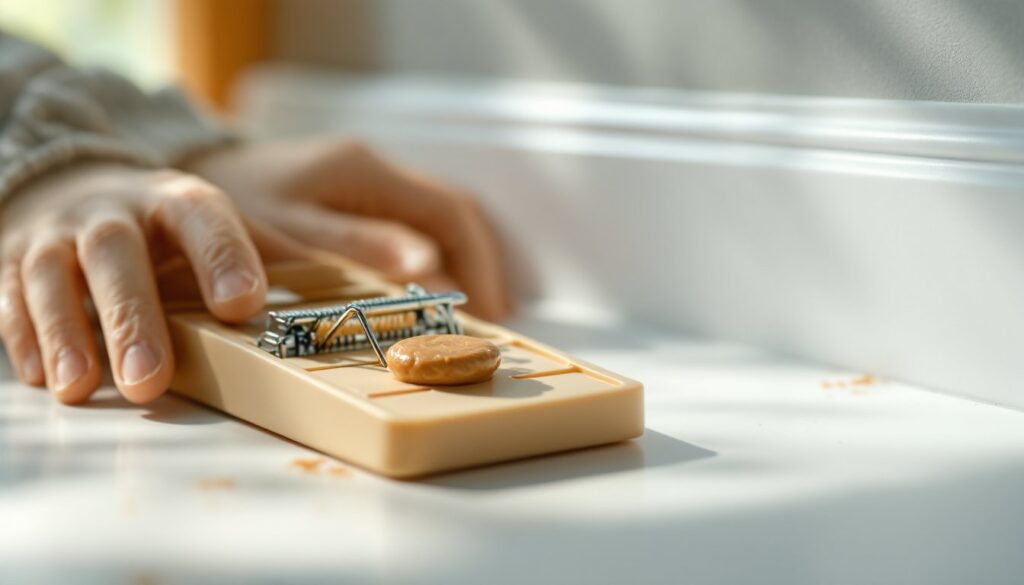
The Victor Quick Kill trap stands out because of its engineering and speed of deployment. Most homeowners are familiar with the classic wooden snap trap, but the Victor Quick Kill uses a plastic and metal construction that’s lighter, easier to handle, and faster-acting than older designs. The trap features a low-profile housing that fits into tight spaces, under appliances, along baseboards, and inside cabinets, where mice typically run.
What really sets this trap apart is its responsiveness. The trigger mechanism requires minimal bait contact to spring, meaning you’re not waiting days for results. Compared to poison baits that take time to work or electronic traps that can misfire, the Victor Quick Kill delivers a quick, humane solution when set correctly. The trap also comes pre-baited in some versions, though adding your own bait typically yields better results.
Another practical advantage is durability. The plastic frame won’t rot or warp like wood, and the metal components resist rust better than traditional traps left in damp areas like basements or garages. This makes the Victor Quick Kill a solid choice for long-term storage and seasonal use.
How the Snap-Release Mechanism Works
The snap-release mechanism is a spring-loaded bar held in place by a simple trigger plate. When a mouse steps on or nibbles the bait, it disturbs the trigger, releasing the spring-loaded bar in a fraction of a second. This speed is key to effectiveness, the mouse has almost no time to escape or trigger the trap without being caught.
The trigger plate is calibrated from the factory to respond to light pressure, typically around 5 to 8 grams of force. This sensitivity prevents accidental triggers from vibrations or pet interference while ensuring that genuine mouse activity trips the mechanism. Understanding this sensitivity explains why bait placement matters so much: if the bait is placed too far from the trigger, a mouse might steal it without activating the trap.
The bar itself, sometimes called the kill arm, is covered with foam or plastic padding to ensure a quick, humane kill. This design has been tested and used in millions of homes, making it one of the most reliable snap-trap mechanisms on the market.
Setting Up Your Victor Quick Kill Traps for Maximum Effectiveness
Proper setup is everything with snap traps. A well-placed Victor Quick Kill trap can catch a mouse within hours: a poorly placed one might sit for weeks without a trigger. The key is understanding mouse behavior and acting on what you observe in your home.
Where to Place Traps Around Your Home
Mice don’t wander randomly. They follow walls and travel the same paths repeatedly, looking for food and shelter. Place your traps along the walls where you’ve noticed droppings, gnaw marks, or grease smudges. Grease smudges form naturally as mice brush their fur against surfaces repeatedly.
Key placement zones include:
- Behind and under kitchen appliances (stove, refrigerator, dishwasher) where crumbs accumulate
- Inside cabinets and pantries, especially lower shelves near food
- Along baseboards in bedrooms and living areas, particularly in corners and near entry points
- In attics and crawl spaces, where mice nest and leave droppings
- Garages and basements, especially near stored food, pet supplies, or insulation
- Near entry points (gaps around pipes, holes in foundation, spaces under doors)
Set traps perpendicular to the wall, not parallel. Mice hug walls as they move, so a trap positioned at a right angle to the wall forces the mouse to interact with the trigger plate. Place two or three traps in a line along a suspected mouse highway, spacing them 3 to 5 feet apart. If you catch a mouse, that trap worked, leave it in place for 24 to 48 hours before resetting or moving it.
Always wear disposable gloves when handling traps and dead mice to prevent disease transmission. Hantavirus and other pathogens can live on mouse droppings and urine, so never touch a dead mouse with bare hands.
Best Baiting Techniques and Attractive Foods
Bait selection affects your success rate dramatically. Mice are attracted to high-calorie foods, and their preferences aren’t always what you’d expect. While cheese is famous in cartoons, chocolate, peanut butter, and cereal are often more effective.
Effective bait options:
- Peanut butter (sticky, high-fat, hard for mice to steal quickly)
- Chocolate or cocoa powder (highly attractive, especially dark chocolate)
- Sunflower seeds or mixed seeds (high calories, common in pantries)
- Dried fruit (raisins, apricots, sweet and concentrated)
- Nesting material (cotton balls or pet hair, mice tear it for nests)
Use a pea-sized amount of bait. Overloading the trap gives the mouse room to work around the trigger or steal bait without fully contacting the plate. Apply the bait directly to the bait cup using a toothpick or small stick, never use your fingers, which leave human scent that can deter wary mice.
For maximum effectiveness, bait your traps in the evening and check them the next morning. Mice are nocturnal and most active between dusk and dawn. If a trap goes unsprung after 48 hours, move it to a different location or try different bait. Mice can become trap-shy, so rotating bait types every few days sometimes reignites interest.
Safety Considerations and Handling Tips for Homeowners
Mouse traps are simple tools, but handling them safely prevents injury and disease transmission. The Victor Quick Kill trap’s spring-loaded mechanism can pinch fingers or snap shut unexpectedly, so respect the tool and follow basic precautions.
Setting the trap safely: Keep fingers away from the kill arm when cocking the trap. Press the cocking mechanism with one hand while keeping the other hand clear. If you’re uncomfortable with the spring tension, use a stick or pencil to help actuate it. Many newer snap traps include a cocking device to reduce hand contact.
Wearing protection: Always wear nitrile gloves when handling traps, bait, or dead mice. Wash your hands thoroughly after any contact. If you’re setting traps in an attic or crawl space with rodent droppings, wear a dust mask or N95 respirator to avoid inhaling particles that may carry hantavirus. Hantavirus is rare but serious, and it’s found in mouse droppings and urine across North America.
Preventing accidental triggers: Set traps away from high-traffic areas where pets or children might step on them or investigate. If you have cats, dogs, or young kids, consider using tamper-resistant stations, lockable plastic boxes that hold the trap securely and prevent unintended contact. Store unused traps in a secure location.
Proper disposal: After catching a mouse, place the entire trap in a plastic bag. Spray it with disinfectant (a 10% bleach solution works), seal the bag, and dispose of it in an outside trash bin. Never touch a dead mouse directly, even with gloves. If you prefer not to handle the disposal, contact a pest control professional.
Legal and ethical notes: Killing mice is legal and standard in most households, but some people prefer live traps. The Victor Quick Kill is designed to kill quickly, which is considered humane compared to slow-acting poisons or starvation in cage traps. Check local regulations if you live in an area with specific animal welfare rules.
Research from Good Housekeeping’s mousetrap testing confirms that snap traps remain the fastest-acting option for homeowners, with kill times under one second when properly set.
Victor Quick Kill vs. Other Popular Mousetrap Brands
The mousetrap market includes several competing designs, each with trade-offs. Understanding how the Victor Quick Kill compares helps you choose the right solution for your situation.
Snap traps (Victor vs. competitors): Victor Quick Kill traps compete directly with brands like Kness KPM (another plastic snap design) and traditional wooden snap traps. Victor’s plastic construction is lighter and easier to cock than wood, and it doesn’t absorb odors or moisture the way older models do. Both Victor and Kness designs work well: choosing between them often comes down to availability and cost.
Electronic traps: Battery-powered electronic traps (like those from Aspectek or Victor’s own electronic models) deliver a high-voltage shock instantly. They’re quiet and don’t require bait, but they cost $15 to $30 per unit compared to $3 to $8 for snap traps. Electronic traps also require battery changes and maintenance.
Poison baits: Rodenticide pellets or blocks work but take 3 to 7 days to kill, and dead mice can end up hidden inside walls, creating odor problems. They’re also hazardous around pets and children.
Live-catch traps: Cage-style live traps allow you to release mice outdoors, but they require active management and regular checking. Many mice die in these traps from stress, and relocated mice often don’t survive in unfamiliar territory.
Sticky traps: Once popular, sticky traps are now considered inhumane because mice die slowly from dehydration and stress. Many regions have phased them out.
The Victor Quick Kill’s speed, low cost, ease of setup, and minimal ongoing maintenance make it a practical choice for most homeowners. It outperforms poison baits on speed, avoids the complexity of electronic traps, and operates without the ethical concerns of sticky traps. For detailed comparisons of current models and testing data, review resources like Tom’s Guide’s home product reviews, which regularly evaluate rodent control solutions alongside other home security and organization tools.
One consideration: if you’re dealing with a large infestation (more than five mice caught per week), a professional pest control service may be more cost-effective. They can identify entry points, seal gaps, and deploy multiple traps strategically. For smaller populations or preventive use, the Victor Quick Kill delivers reliable results.