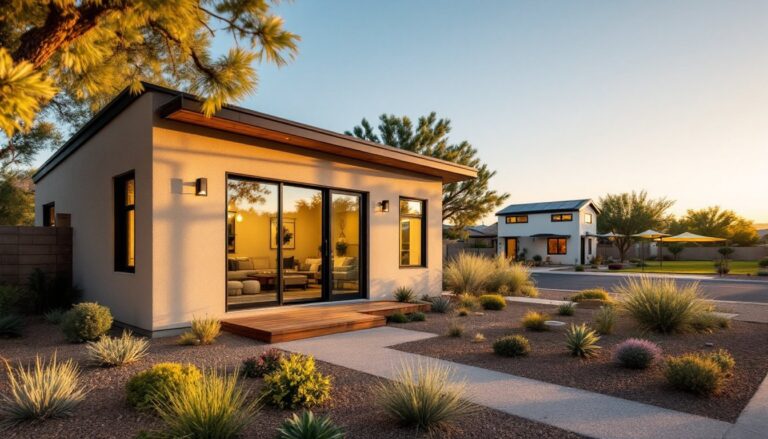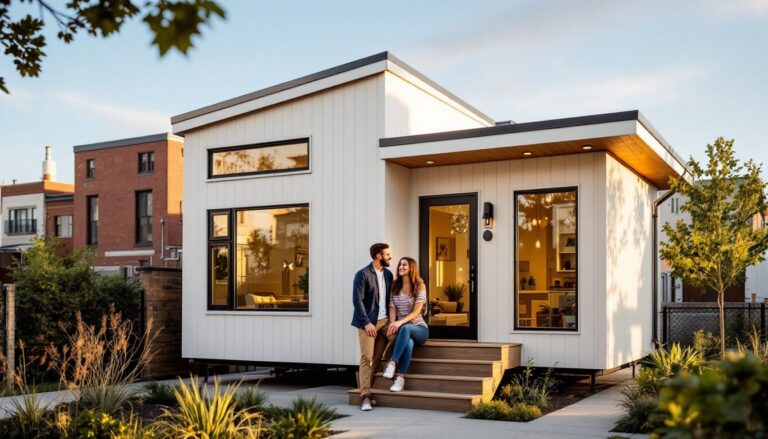

Picture this: A place where activities bloom, friendships spark, and the only requirement is to enjoy the golden years. Sounds ideal, doesn’t it? In a world where adulting seems to take center stage, retirement homes have stepped into the limelight, offering not just a roof over one’s head but a vibrant community tailored for those seeking new adventures in later life. So, what exactly is a retirement home, and why are they gaining such popularity? Let’s explore the ins and outs of these welcoming havens for seniors.
Understanding Retirement Homes

Retirement homes, often referred to as senior living communities, are specialized living arrangements designed to cater to the lifestyles and needs of older adults. They provide an enticing mix of independence and support, offering residents a homey feel while still ensuring assistance is available when necessary.
These homes can vary greatly in structure and services, from independent living apartments to more full-service facilities. Often, residents can choose their level of care, allowing them to maintain a sense of independence while gaining easy access to healthcare options and social activities.
Types of Retirement Homes
When it comes to retirement homes, one size does not fit all. There are several types tailored to different needs:
Independent Living Communities
These communities are perfect for those who are self-sufficient but crave a social atmosphere. Residents live in their own apartments or cottages and can enjoy community events and amenities.
Assisted Living Facilities
Here, residents receive assistance with daily tasks like bathing, dressing, and medication management, yet they still enjoy a measure of independence. Ideal for those needing a bit more help but wishing to keep their autonomy.
Continuing Care Retirement Communities (CCRCs)
Combining all levels of care, CCRCs allow residents to live independently, then transition to assisted or skilled nursing care as their needs change. This flexibility is great for couples who wish to stay together even though different care needs.
Skilled Nursing Facilities
These provide comprehensive medical care for those with serious health conditions or recovery needs. Professional staff deliver round-the-clock assistance.
Benefits of Living in a Retirement Home
Living in a retirement home comes with a bountiful bouquet of benefits. For starters, the sense of community is often highlighted. Residents often find that they make new friends and partake in group activities like yoga classes, game nights, or book clubs, which helps maintain an active lifestyle.
Another perk? Safety and security. Most retirement homes have various safety features such as emergency alerts, on-site staff, and access to healthcare providers. Forgetting to remember ow to take a pill or feeling dizzy? No worries, as assistance is just a call away.
Also, meals are often included, which means no more worrying about grocery shopping or meal prep. Residents can sit down and enjoy nutritious meals prepared specifically to cater to their dietary needs.
Of course, let’s not overlook the peace of mind it brings families. Knowing a loved one is in a safe, socially engaging environment alleviates concerns and offers comfort.
Choosing the Right Retirement Home
Selecting the perfect retirement home for oneself or a loved one can feel a bit daunting. But, a systematic approach can simplify the journey. Start by identifying the needs and preferences of the individual in question, care requirements, budget, and desired amenities are vital considerations.
Next, visit potential homes. Engage with staff and residents, observe interaction, and attend any available activities. This gives a feel for the atmosphere and whether it aligns with what one is looking for. Plan questions to ask about payment options, types of care available, and the community’s lifestyle.
Finally, don’t hesitate to ask for recommendations from healthcare providers or friends who might have experience with retirement homes. Personal experiences can illuminate things not covered in brochures.
Common Concerns About Retirement Homes
When discussing retirement homes, several common concerns often crop up. One notable worry is the loss of independence. But, many facilities emphasize an independent living style balanced with the support that residents can choose.
Financial implications also weigh heavily on the minds of many. Costs can vary significantly, and exploring various options and understanding what is included in those costs is crucial. Some facilities are more affordable than they appear once all factors are considered.
Finally, many fear the stigma associated with retirement homes, thinking of them as warehouse-like environments. In reality, most modern retirement communities focus on creating an engaging lifestyle and fostering real connections.
The Future of Retirement Homes
As demographics shift and the population of older adults continues to rise, retirement homes are evolving. Future trends indicate a growing focus on wellness, technology, and the inclusion of nature to enhance overall quality of life. For instance, some communities are integrating smart-home features, enabling residents to manage their living space easily.
Also, an emphasis on health and wellness programs is expected to flourish. Active aging is becoming a priority, focusing not only on the physical but also on mental and emotional well-being through various activities and support systems.
Sustainability will also play a major role. Eco-friendly designs and practices are increasingly important as retirement homes look to enhance their contributions to the environment.