Table of Contents
ToggleUtah has emerged as one of the nation’s most attractive markets for tiny home buyers. Whether you’re drawn to sustainable living, lower housing costs, or the freedom of a minimalist lifestyle, tiny homes in Utah offer a compelling combination of affordability, stunning landscapes, and growing community support. The state’s diverse regions, from the Wasatch Front to the red rock country, provide settings that appeal to different lifestyles and budgets. This guide walks you through what’s available, where to look, and how to make a smart investment in Utah’s thriving tiny home market.
Key Takeaways
- Tiny homes for sale in Utah range from $150,000 to $350,000, with lower entry points in rural southern Utah and premium pricing in Salt Lake City and Park City.
- Utah’s relaxed zoning regulations, affordable land costs, and supportive regulatory environment make it easier to finance and build tiny homes compared to most other states.
- Financing challenges exist for tiny homes, with chattel loans offering higher interest rates and shorter terms, while seller financing and land loans present more favorable alternatives in Utah’s market.
- Top Utah regions for tiny home buyers include the Wasatch Front for urban amenities, southern Utah for lifestyle and natural beauty, and Park City for luxury second-home investments and short-term rental opportunities.
- Design trends blend regional aesthetics with modern efficiency—contemporary Scandinavian-inspired styles in Salt Lake City and rustic cabin designs in southern Utah—with smart home integration and solar panels becoming standard.
- Success in tiny home ownership requires careful evaluation of foundation type, lot lease terms, utility infrastructure, community rules, and ongoing maintenance, plus consideration of short-term rental potential in tourist-friendly areas.
Why Utah Is Becoming a Tiny Home Hub
Utah’s popularity as a tiny home destination stems from several practical advantages. First, land and construction costs remain reasonable compared to coastal markets, making tiny homes genuinely affordable for first-time buyers and downsizers alike. Second, Utah embraces innovation, Salt Lake City and surrounding areas have relaxed zoning restrictions and permitted tiny home communities at a faster pace than many states. The state’s strong outdoor culture and proximity to national parks appeal to buyers who value experience over square footage.
You’ll also find strong regulatory support. Utah’s building departments are increasingly familiar with tiny home construction and ADU (accessory dwelling unit) standards, which streamlines the permit and approval process. The combination of reasonable financing terms, lower entry costs, and a supportive regulatory environment makes it easier to move from interest to ownership here than in many other states.
Popular Utah Regions for Tiny Home Buyers
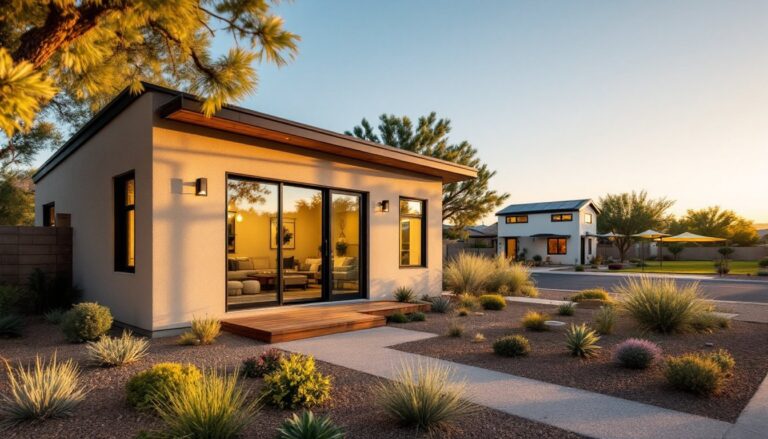
Salt Lake City and the Wasatch Front dominate the market. This region offers the most inventory, strongest financing options, and proximity to urban amenities. Neighborhoods like Sugar House and Ballpark are seeing tiny home conversions and new ADU construction. The metro area benefits from year-round job markets and established community infrastructure.
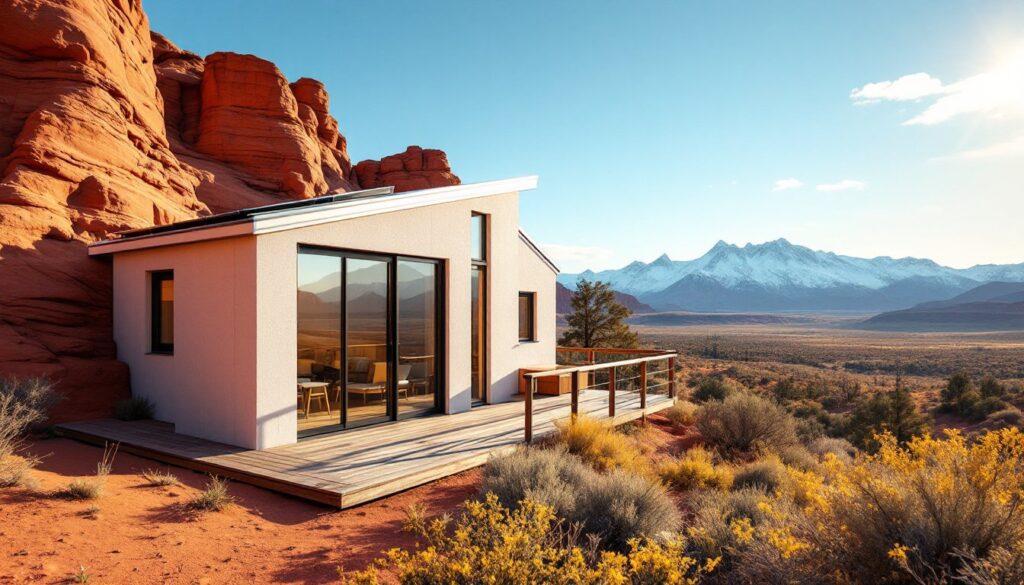
Southern Utah, including areas around Moab, St. George, and Cedar City, attracts buyers seeking lifestyle changes and natural beauty. Tiny homes here tend toward the rustic or desert-modern aesthetic, with outdoor living as the primary draw. These regions experience gentler winters and lower populations, appealing to retirees and remote workers. Prices run slightly lower than the Wasatch Front, but land and views often outweigh the discount.
Park City and Summit County lean toward luxury tiny homes and second-home investments. This ski-adjacent region commands premium pricing, but buyers find established communities, short-term rental opportunities, and year-round recreation. It’s a niche market compared to Salt Lake, but growing.
What to Expect: Price Range and Financing Options
Tiny homes in Utah typically range from $150,000 to $350,000, depending on location, finishes, and whether the home sits on owned land or leased ground. Salt Lake City and Park City command the higher end: rural southern Utah offers entry points closer to $120,000–$200,000. Keep in mind these figures fluctuate with market conditions and material costs, don’t rely on this as a fixed quote.
Financing remains the biggest hurdle. Most banks treat tiny homes as personal property (especially mobile or modular units), making them harder to finance than traditional mortgages. You’ll encounter:
- Chattel loans (treating the home as personal property): higher interest rates, shorter terms (5–15 years), and larger down payments (25–50%).
- Land loans + construction financing: Available if you own the land outright: often more favorable terms than chattel loans.
- Personal loans: Feasible for cash buyers looking to finance a smaller amount.
- Seller financing: More common in Utah’s market than nationally: negotiate directly with the builder or current owner.
If you’re buying on leased land (common in tiny home communities), verify lease terms, transfer policies, and any rent increases. A 99-year ground lease looks solid: ask about what happens after.
Design Trends in Utah’s Tiny Home Market
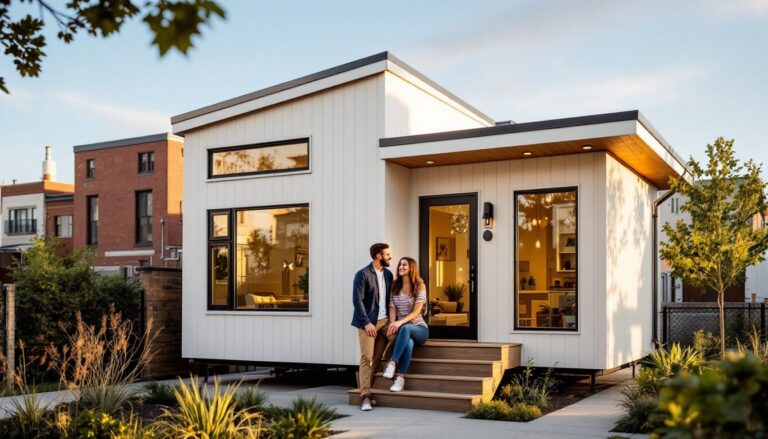
Utah’s tiny homes increasingly blend regional aesthetics with modern efficiency. Salt Lake City buyers favor contemporary designs with open-plan living, efficient kitchens, and clean lines, think Scandinavian minimalism adapted for the intermountain West. These homes often feature large windows to maximize natural light during long winters and showcase mountain views.
Southern Utah trends lean toward cabin style tiny homes with rustic wood, stone, and earth tones that echo the landscape. Covered porches, wraparound decks, and passive solar orientation are common. Creative design tips emphasize indoor-outdoor living and integration with the natural surroundings.
Smart home integration is standard. Built-in storage, fold-away furniture, and multi-use rooms appear across all price points. Solar panels and energy-efficient HVAC systems are increasingly expected, not optional. Builders recognize that Utah’s sunny days and cool nights favor passive heating and cooling strategies.
One standout innovation: 3D-printed construction. Salt Lake City’s 3D-printed tiny homes represent the cutting edge of affordable, sustainable building, with reduced labor costs and precise material efficiency.
How to Find and Evaluate Tiny Homes for Sale
Start your search on specialized platforms: Zillow, Redfin, and Realtor.com all filter for tiny homes, but you’ll want to combine those with niche sites like Tiny Home Listings and the Utah Tiny Homes association directories. Local real estate agents familiar with the tiny home market can save weeks of searching.
When evaluating a property, focus on these non-negotiables:
- Foundation and structure: Is it a permanent foundation or mobile? Permanent adds resale appeal and financing options.
- Lot lease terms (if applicable): Read them in full. A 5-year lease with aggressive renewal clauses is risky: you need clarity on duration, cost escalation, and transferability.
- Utility infrastructure: Rural properties may lack municipal sewer: septic systems add maintenance. Confirm water rights and electrical capacity.
- HOA or community rules: Some tiny home communities impose strict aesthetic or modification rules. Others allow solar, additions, and customization. Know your constraints before buying.
- Permits and documentation: Verify that the home was built to code (IRC tiny home standards) and that all permits were finalized. Unpermitted work tanks resale value and may trigger fines.
Bring an inspector familiar with tiny homes, not all general contractors understand the unique structural and mechanical nuances. Ask about tiny homes with land if mobility or long-term permanence concerns you.
Making Your Tiny Home Investment Work
Ownership doesn’t end at closing. Tiny home investors succeed by managing a few key variables.
Maintenance and resale: Tiny homes appreciate slowly but steadily if well-maintained. Budget for annual upkeep, HVAC, roofing, seal checks, to protect your investment. Document all improvements: resale buyers want proof of care.
Short-term rental income: If your tiny home sits in a tourist-friendly area like Moab or Park City, consider short-term rentals (Airbnb, Vrbo). Utah’s treehouse Airbnb example shows that unique tiny homes can command premium nightly rates. Check zoning rules and HOA restrictions first.
Community and lifestyle: The best tiny home investments aren’t purely financial. Buyers stay longer and enjoy their purchases when they’re part of an engaged community. Attend local meetups, join the Utah Tiny Home Alliance, and connect with other owners. Your network becomes an asset during upgrades, resale, and problem-solving.
Seasonal living: Utah’s climate varies sharply by region. Southern Utah offers mild winters: the Wasatch Front demands winter-ready insulation and heating. Don’t underestimate seasonal utility costs when projecting your annual expenses.
Conclusion
Utah’s tiny home market offers genuine value for buyers serious about sustainable, affordable living. Whether you’re drawn to Salt Lake’s urban convenience, the red rock serenity of the south, or Park City’s mountain lifestyle, Utah delivers options. Take time to research financing, inspect properties carefully, and understand the terms of any land leases. The market is moving fast, but rushing blinds you to details that matter. A well-chosen tiny home in Utah can anchor a decade of intentional, connected living.