Table of Contents
ToggleThe tiny home movement has shifted from niche curiosity to practical reality for thousands of homeowners seeking affordable, sustainable living. JT Collective tiny homes represent a new standard in this space, prefab, modular units designed with modern aesthetics and smart functionality. Whether you’re drawn to minimalism, budget constraints, or simply a different way of living, these homes offer a compelling alternative to traditional housing. This guide walks through what makes JT Collective stand out, how the costs stack up, and whether a tiny home is the right fit for your life.
Key Takeaways
- JT Collective tiny homes combine modular prefab design with quality materials and smart layouts, offering a practical middle ground between cost savings and durability in the affordable housing market.
- Total project costs for JT Collective tiny homes typically range from $90,000 to $180,000 all-in, including land, foundation, utilities, and permits—significantly less than traditional homes but with regional variations that can dramatically affect final pricing.
- Financing tiny homes is more complex than traditional mortgages; lenders often require land ownership with permanent foundations, while alternative options like RV financing or personal loans carry higher interest rates and shorter terms.
- Space-saving requires intentional design choices, including multi-function furniture, vertical storage, and open-concept layouts, with the lifestyle shift proving most challenging for buyers downsizing from large homes.
- Site prep and utility hookups frequently exceed initial budgets and timelines, making contingency planning and real owner consultations essential before purchasing a JT Collective tiny home.
- Resale potential for tiny homes remains limited due to niche market demand, so buyers should prioritize personal satisfaction and long-term lifestyle fit over investment appreciation.
What Makes JT Collective Tiny Homes Stand Out
Design Philosophy and Build Quality
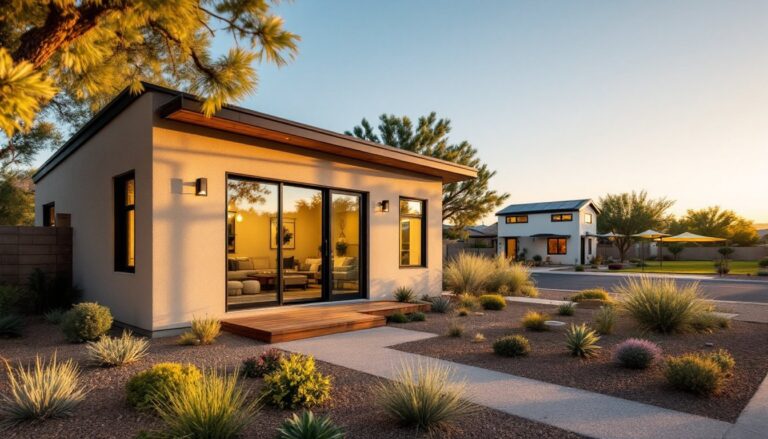
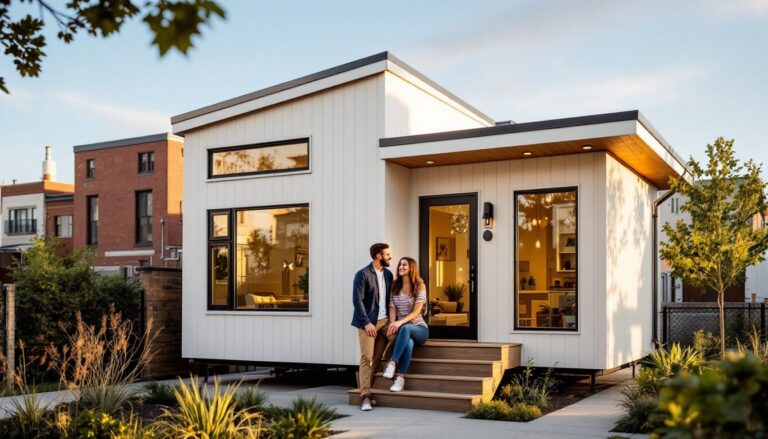
JT Collective designs tiny homes with a architect-first mindset. Their units emphasize clean lines, ample natural light, and functional layouts that don’t feel cramped. Unlike some budget prefab options, these homes use quality materials, insulated panel construction, durable flooring, and finishes that age well.
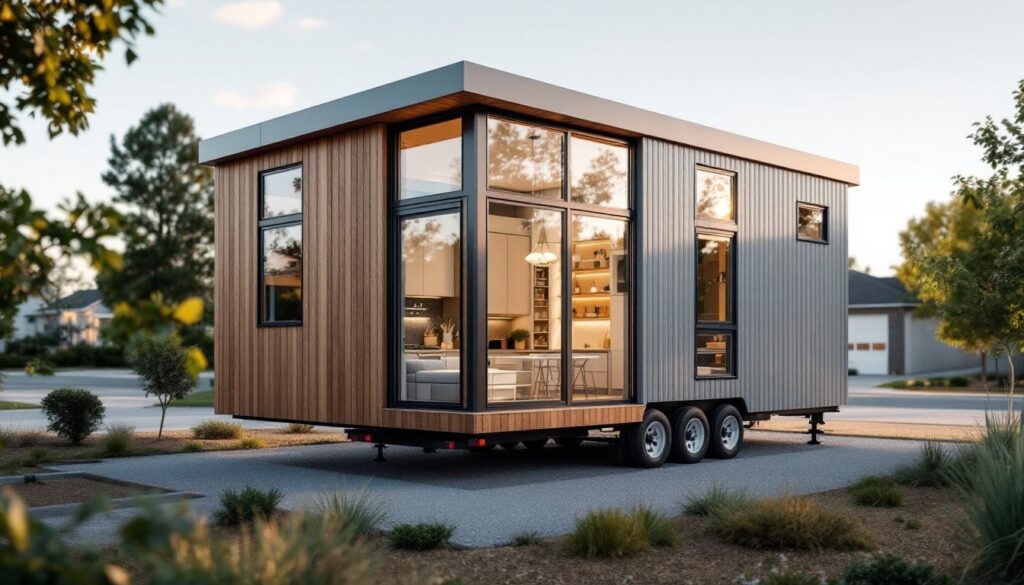
Each unit ships as pre-fabricated modules that bolt together on-site. This modular approach cuts waste, speeds assembly, and reduces labor costs compared to stick-built construction. The foundation work and final connections still require local labor and site prep, so budget accordingly for that phase.
Build quality matters because a tiny home’s resale value depends heavily on construction integrity. Moisture intrusion, poor insulation, and cheap cabinetry are common failure points in budget tiny homes. JT Collective addresses these with factory-controlled assembly and materials selection, though you’ll want to inspect any unit in person before committing.
Customization Options for Your Lifestyle
Buyers can choose from several floor plans ranging from roughly 300 to 400 square feet, with optional loft bedrooms or open-concept living areas. Exterior finishes include wood siding, metal cladding, and composite materials. Interior selections cover kitchen cabinet styles, flooring (vinyl, laminate, or concrete), and bathroom fixtures.
That said, customization is more limited than a custom build. You’re picking from an approved menu rather than designing from scratch. Cabin style tiny homes showcase similar flexibility in aesthetic direction, with rustic or modern palettes. If you want major structural changes, adding walls, moving plumbing, costs spike and timelines extend significantly. Most buyers find the standard options sufficient for their needs.
Cost Breakdown and Affordability
A JT Collective tiny home typically costs between $60,000 and $120,000 for the unit itself, depending on size, finishes, and customization. That base price covers the prefab modules, assembly labor, and delivery, but it doesn’t include land, site prep, utilities hookup, or foundation work.
Total project cost often runs $90,000 to $180,000 all-in, once you factor in:
- Land or lot rental (varies wildly by region)
- Foundation and site prep ($10,000–$30,000+)
- Utilities hookup and inspection ($5,000–$15,000)
- Permits and approvals (check local regs: some jurisdictions resist tiny homes)
Compare that to a median new build or existing home in most US markets, and the savings are real, though not as dramatic as marketing sometimes suggests. The appeal isn’t just lower cost: it’s lower ongoing expenses. Smaller footprint means lower heating, cooling, insurance, and property tax bills (in some jurisdictions).
Regional factors matter enormously. Rural or affordable-housing-friendly areas see lower total costs: urban areas or strict zoning jurisdictions can inflate expenses or make tiny homes unavailable outright. Before falling in love with a layout, verify your local zoning permits residential tiny homes and research whether they’re treated as permanent structures or RVs (a critical legal distinction).
Financing Your JT Collective Tiny Home
Traditional mortgages for tiny homes can be tricky. Many lenders treat prefab units as personal property rather than real estate if they’re mobile or on rented land. This means higher interest rates, shorter loan terms, and stricter qualification rules.
Your best options depend on setup:
- Land ownership + permanent foundation (most favorable): Conventional mortgage may be available, though lenders vary. Expect to show detailed specs and may face higher rates than site-built homes.
- Land lease or RV-style financing: Personal loans or RV financing typically carry 6–10% interest and 10–15-year terms, compared to 3–5% mortgages over 30 years.
- Cash purchase: Eliminates financing headaches and gives you strongest negotiating position with manufacturers.
Manufacturers sometimes offer in-house financing or partner with lenders familiar with prefab. JT Collective can point you to lender relationships, but shop around. Rates and approval criteria vary significantly. Also confirm whether your tiny home qualifies for homestead exemptions or other property tax breaks, not all jurisdictions grant them to prefab or temporary structures.
Interior Design and Space-Saving Features
Living small requires ruthless design. JT Collective kitchens are compact but functional, typically a single-wall or galley layout with standard appliances (half-size fridge, coil burners or induction cooktop, no full-size oven). Storage integrates into walls: cabinets run floor-to-ceiling wherever possible.
Bedrooms vary by floor plan. Some units feature loft sleeping areas accessed by steep stairs or a ladder, keeping the main floor open. Bathrooms are utilitarian, usually a shower stall and toilet in a 5×7-foot space, no soaking tubs. Ventilation and moisture control are critical in these compact bathrooms: ensure the unit has proper exhaust fans and humidity management or you’ll face mold risk within a year.
Multi-function furniture isn’t included with your JT Collective home, but it’s essential if you plan to maximize comfort. Murphy beds, storage ottomans, and fold-down desks are standard companion purchases. Tiny home mobility tips can extend to clever interior arrangements that maximize every inch.
The open-concept trend works well in tiny homes, fewer walls mean perceived spaciousness and easier movement. Vertical storage (wall shelves, pegboards, overhead racks) replaces traditional closets. Before signing on, spend time in a similar floor plan to verify the layout suits your daily routine. What works on paper can feel suffocating in practice, or surprisingly livable.
Real-World User Experiences and Testimonials
Owners of JT Collective homes consistently report satisfaction with affordability and design, though some face regional challenges. A Pennsylvania buyer praised the quick assembly (3–4 weeks onsite) and solid construction: a California owner noted that strict local zoning nearly derailed her project but the manufacturer’s support helped navigate permitting.
Common praise centers on move-in ready condition and lower utility bills, some owners report 50% reductions in heating and cooling costs versus their previous homes. Kitchen and bathroom storage surprises some first-timers: if you downsize from a 2,000-square-foot house, the adjustment is real. Resale experiences are mixed: tiny homes are still niche, so you may face a narrower buyer pool and longer listing times.
One frequent pain point: site prep and foundation work often cost more and take longer than expected. Utility hookups can encounter unexpected soil conditions or distance issues. Budget extra contingency for these hidden costs and expect delays: they’re not uncommon.
Owners also highlight the lifestyle shift. Living small forces intentional choices about possessions and how you use space. For remote workers and families without kids, the transition feels natural. For those accustomed to multiple bedrooms and garages, buyer’s remorse occasionally surfaces. The sweet spot is someone who actively wants less space and lower costs, not someone forced into tiny home living by circumstance alone.
For design inspiration across the broader tiny home spectrum, Great Lakes tiny homes showcase regional appeal and Green tiny homes emphasize sustainability, both important considerations for long-term satisfaction. Industry publications like Curbed have covered JT Collective’s innovative modular approach, and Dwell magazine explored how JT Collective redefines modular living.
Before committing, talk to existing owners if possible. Manufacturer or dealer connections can help introductions. Their real-world stories, both challenges and successes, beat marketing copy every time.