Table of Contents
ToggleThe tiny home movement isn’t just a trend, it’s a practical solution for people tired of oversized mortgages and endless maintenance. Tiny home trailers offer mobility, affordability, and flexibility that traditional housing simply can’t match. Whether you’re downsizing for retirement, seeking financial freedom, or want to live with intention, understanding what’s available on the market today is your first step. This guide walks you through the options, what to evaluate, and where to find tiny home trailers for sale that actually fit your lifestyle and budget.
Key Takeaways
- Tiny home trailers for sale range from $40,000 to $150,000, offering significantly lower costs and reduced maintenance compared to traditional homes priced above $400,000.
- Three main types of tiny home trailers exist: travel trailers for maximum mobility, park models for semi-permanent placement, and stationary cottages for permanent living—each with different price points and trade-offs.
- Critical inspection points when buying include structural integrity, water damage, towing capacity compatibility, appliance functionality, insulation quality, and verified title status to avoid costly surprises.
- Find tiny home trailers for sale through RV dealerships, online marketplaces like Facebook and Craigslist, specialized custom builders, and regional listings on Zillow and Redfin.
- Expect lower prices and better negotiating power during winter and early spring due to reduced demand in the tiny home market.
- Verify zoning laws in your intended location before purchasing, as not all areas permit trailers or allow permanent residency for trailer-based homes.
Why Tiny Home Trailers Are Gaining Popularity
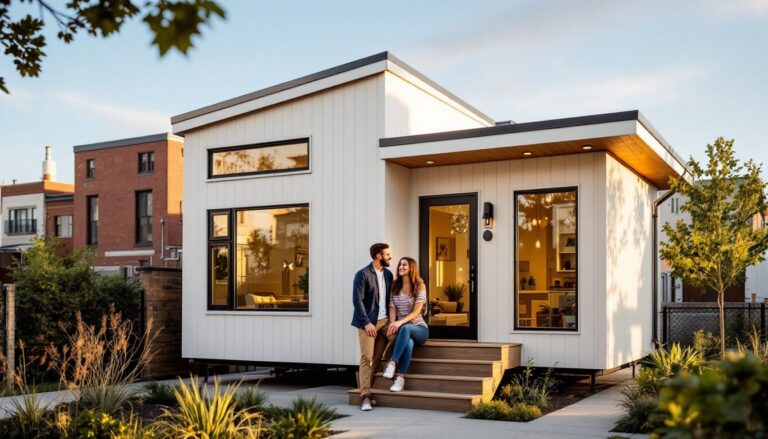
Tiny home trailers have moved from niche curiosity to mainstream housing option. The reasons are straightforward: lower costs, reduced environmental footprint, and genuine lifestyle flexibility. Unlike a stick-built house, a trailer-based tiny home doesn’t tie you to a single location forever. You can relocate for work, family, or just a change of scenery without losing your home.
People are also waking up to the financial reality of traditional housing. A tiny home trailer typically runs $40,000 to $150,000, compared to the U.S. median home price exceeding $400,000. Insurance and property taxes follow suit, significantly lower. No more spending 30 years paying off a property that’s twice the size you actually need. Tiny homes for sale with land options also appeal to buyers wanting both mobility and a permanent plot.
The maintenance angle shouldn’t be overlooked either. Fewer square feet means fewer things that break, fewer surfaces to clean, and fewer furnace repairs keeping you up at night. For retirees or anyone tired of the home-ownership treadmill, that’s genuinely freeing. Modern tiny home trailers also offer genuine comfort, not just a way to save money, but a choice to live differently.
Types Of Tiny Home Trailers Available On The Market
Not all tiny home trailers are created equal. The market has several distinct categories, each with different trade-offs in terms of mobility, cost, and permanence.
Travel Trailers And Fifth Wheels
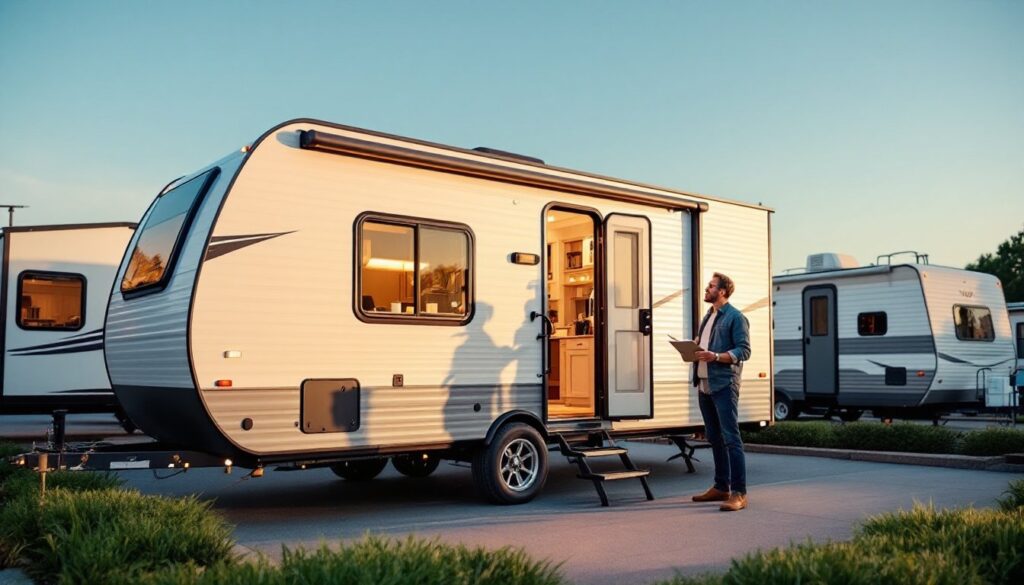
Travel trailers are the most portable option and usually the entry point for first-time tiny home buyers. These range from about 16 to 40 feet long and tow behind a standard pickup truck or SUV (depending on dry weight and towing capacity). They’re self-contained units with sleeping, kitchen, and bathroom facilities packed into a tight footprint. Costs start around $20,000 for used models and climb to $80,000+ for new, high-end brands.
Fifth wheels are a similar concept but connect directly to the bed of a truck via a special hitch. They’re typically larger and offer a bit more interior space, some run 30–45 feet, but require a heavier-duty tow vehicle. Both types can be unhitched and left at a permanent site if you choose, giving you flexibility without commitment. Tiny home mobility tips are critical if you’re considering frequent moves.
Park Models And Stationary Tiny Homes
Park models sit at the middle ground. These are trailer-based but designed for semi-permanent placement in RV parks or on private land. They typically run 30–40 feet and cost $50,000 to $120,000. They can technically be moved, but doing so regularly is inefficient, they’re heavier and meant to settle in one spot for years at a time.
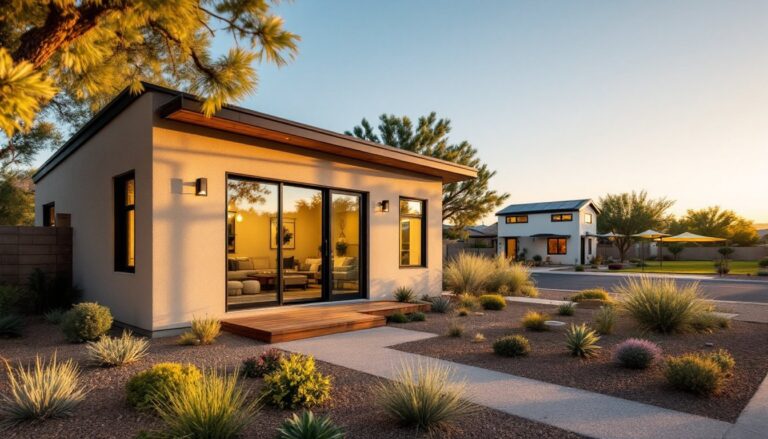
Stationary tiny homes built on trailers but intended never to move are the final category. These look and feel like small cottages and may include features (full-sized appliances, thicker insulation, permanent utilities) that sacrifice mobility for livability. Prices run $70,000 to $180,000+. Converted bus tiny homes represent another creative alternative for buyers wanting unique, off-the-grid aesthetics.
What To Look For When Buying A Tiny Home Trailer
Once you’ve narrowed down the type, inspect the fundamentals. Structural integrity is non-negotiable, ask the seller for documentation on any roof repairs, water damage, or frame issues. Water intrusion is the silent killer of used trailers: check seals around windows and the roof thoroughly. A moisture meter ($20–$40) reveals hidden dampness behind walls and cabinetry.
Weight and towing are practical realities. Know your vehicle’s actual towing capacity, not theoretical max, but what’s safe with payload. Trailers lose resale value and become difficult to insure if they’re constantly borderline for their tow vehicle. Dry weight, cargo capacity, and hitch type all matter. Don’t fudge the math here.
Appliances and systems deserve hands-on evaluation. Turn on every faucet, check water pressure, test the propane stove and furnace, and run the air conditioning and heating. Battery banks, solar panels (if included), and 30/50-amp electrical hookups should be verified. Ask for service records and manuals. Outdated plumbing fixtures and corroded tanks are expensive fixes.
Insulation and ventilation determine comfort in extreme climates. Thin-wall trailers are cheaper but insufferable in winter or summer without heavy HVAC use. Check for adequate vents, windows that seal properly, and belly insulation if you live in cold regions. Cabin style tiny homes often feature superior insulation for harsh winters.
Finally, verify title and legal status. Ensure the trailer isn’t salvaged, flooded, or encumbered by liens. Get a pre-purchase inspection from a professional if you’re spending over $60,000, it’s $300–$500 well spent. Check zoning laws in your intended location: not all areas allow trailers or have restrictions on permanent residency.
Where To Find Tiny Home Trailers For Sale
Inventory channels vary widely in quality, selection, and pricing. RV dealerships remain the traditional source and offer financing, warranties, and trade-in options, though markups are standard. Go in with research done: know the manufacturer’s MSRP and typical dealer markup before you negotiate.
Online marketplaces like Facebook Marketplace, Craigslist, and AutoTrader often feature private sales with better pricing but less recourse if something goes wrong. Always inspect in person and request a pre-purchase inspection for used units. Bring a trusted friend or family member: a second set of eyes catches details you’ll miss alone.
Tiny home specialists and custom builders are worth exploring if you want something tailored to your needs. These builders combine trailer frames with upgraded interiors and can include modern finishes, energy-efficient systems, and custom layouts. Expect to pay 20–40% more but gain quality and customization.
National marketplaces like Zillow, Redfin, and Craigslist dedicated tiny home sections aggregate listings by location. Tiny homes for sale in Nashville and other regional markets attract local inventory you won’t find in national searches. Design publications like Dwell and Curbed often feature buyer guides and showcase affordable options. Apartment Therapy covers small-space living ideas that help you maximize whatever trailer you choose.
Don’t overlook auctions, liquidation sales, and off-season deals. Winter and early spring see lower demand and better negotiating room. Factory direct orders from builders sometimes offer bulk discounts. Join online tiny home communities, Facebook groups and forums often share leads on local sales before they hit public listings.
Conclusion
Finding the right tiny home trailer means balancing practicality with vision. Understand the type that fits your lifestyle, mobile travel trailer, semi-permanent park model, or stationary cottage. Know what to inspect, ask the right questions, and don’t rush the buying process. Check zoning laws and verify the title before committing funds. Start your search with online marketplaces, dealerships, and specialized builders. With patience and due diligence, you’ll find a trailer that offers genuine freedom and affordable living.